

















Stockholm
Tuesday August 4th. We had a 20 min walk to the train station in Nynäshamn where the ship docked, then an hour ride to Stockholm where we did our own walking tour.
Stockholm, the capital of Sweden, is a historic and vibrant city spread across 14 islands where Lake Mälaren meets the Baltic Sea. Founded in the 13th century, it has long been an important center of Scandinavian politics, trade, culture, and innovation. The city is known for its beautiful waterfront, colorful medieval Gamla Stan (Old Town), royal palace, museums, and elegant architecture. Stockholm is also the birthplace of the Nobel Prize ceremonies and is often recognized for its blend of historic charm, modern design, and close connection to nature.
The photos below show:
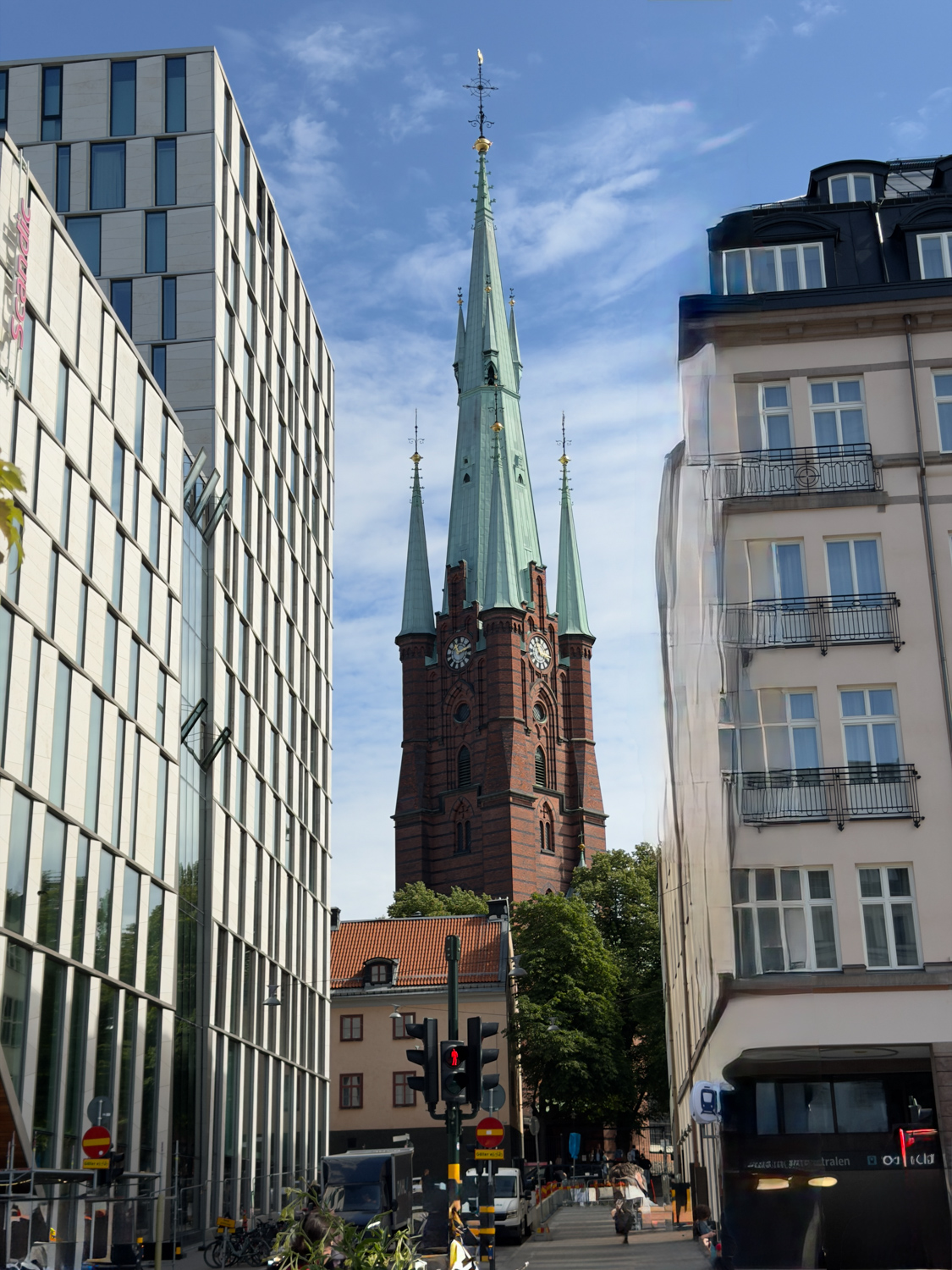
•Klara Church, a historic church featuring a tall green copper spire located in central Stockholm. The original Convent and Church were founded on the site in 1280s. In 1527, the King of Sweden had them torn down. Construction of the current church started in 1577 and finished in 1590.
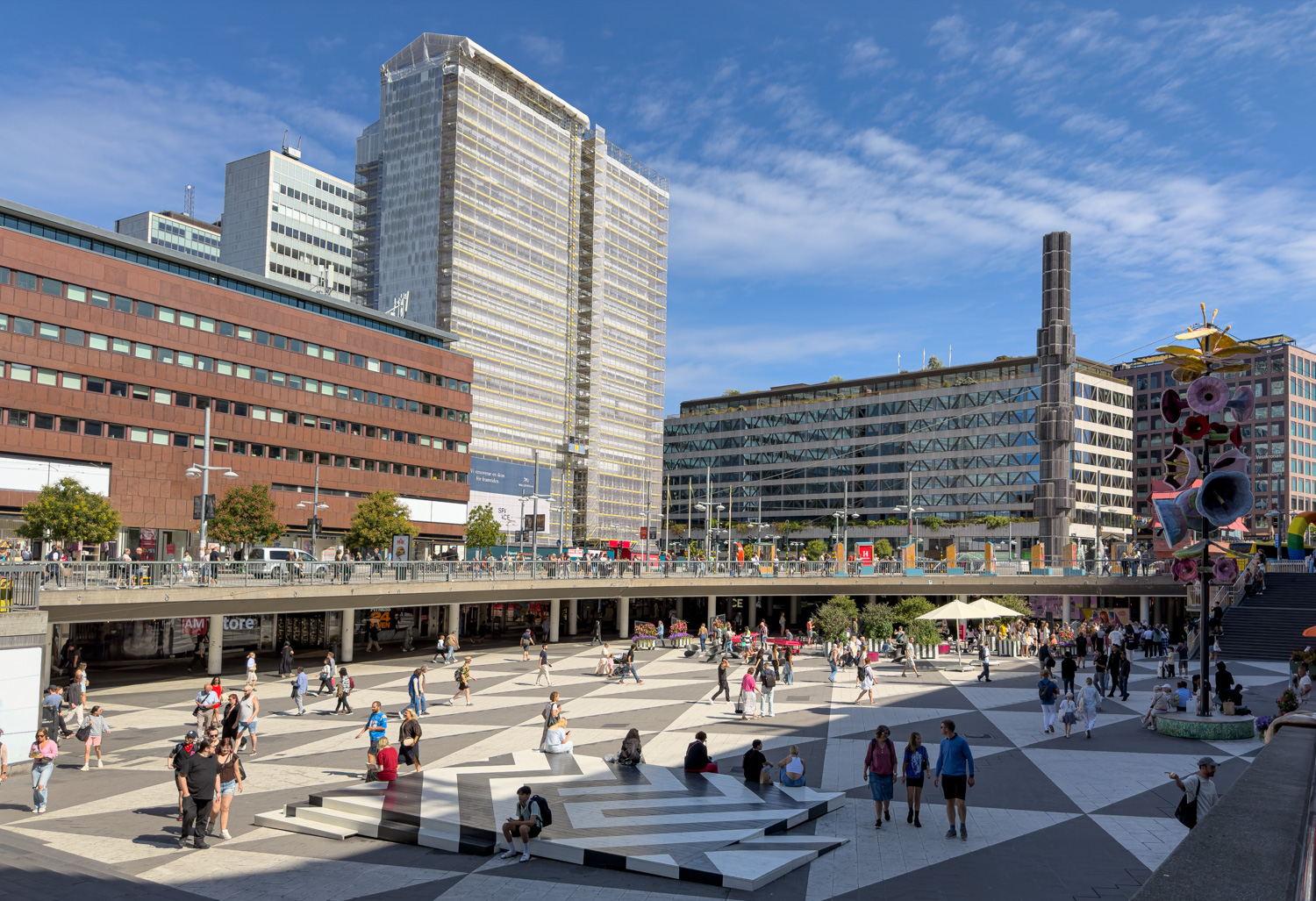
•Sergels Torg is Stockholm’s vibrant urban center defined by its bold modernist design, iconic black-and-white plaza, and the striking accent glass obelisk.
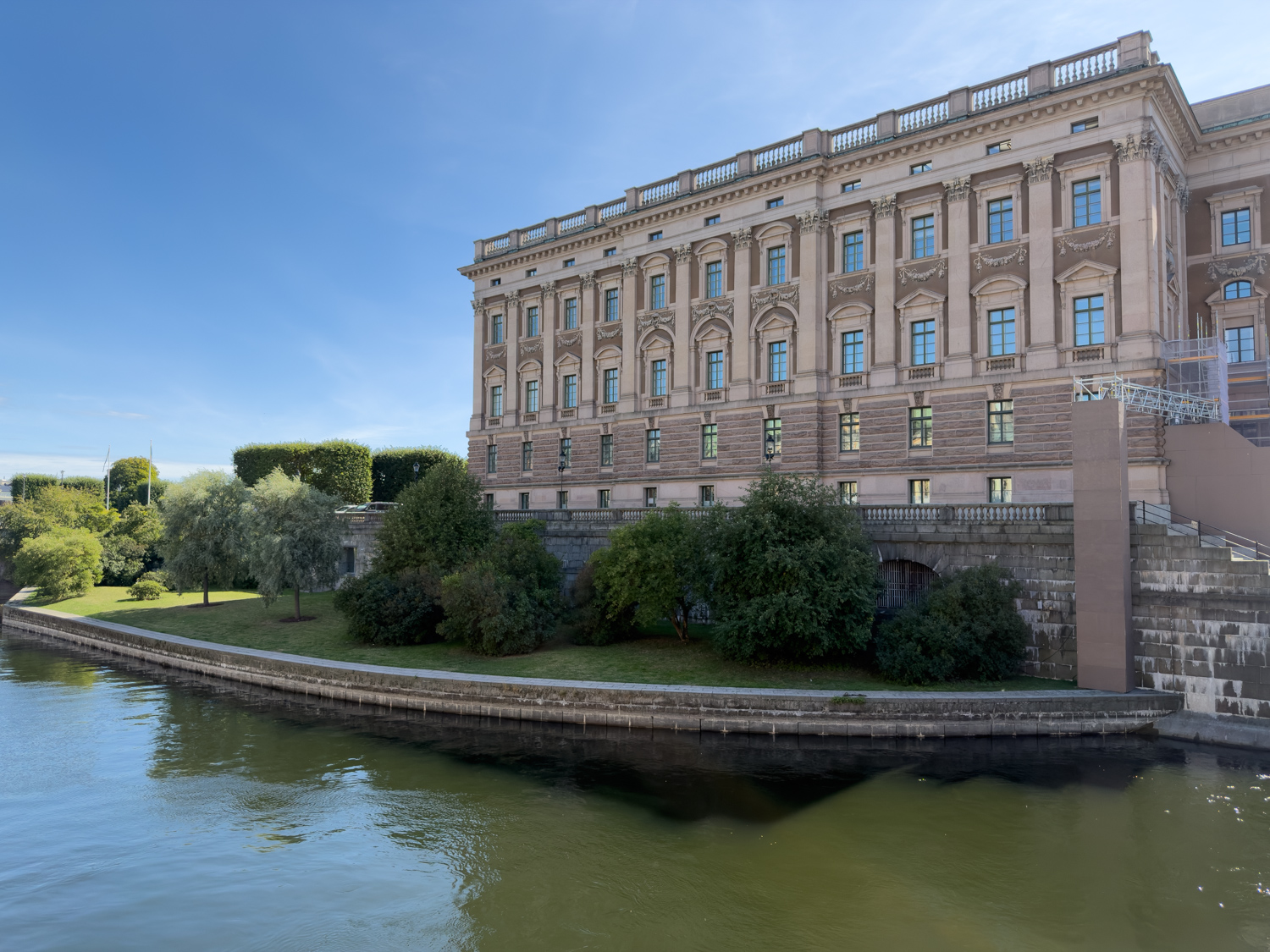
•Swedish Parliament House.
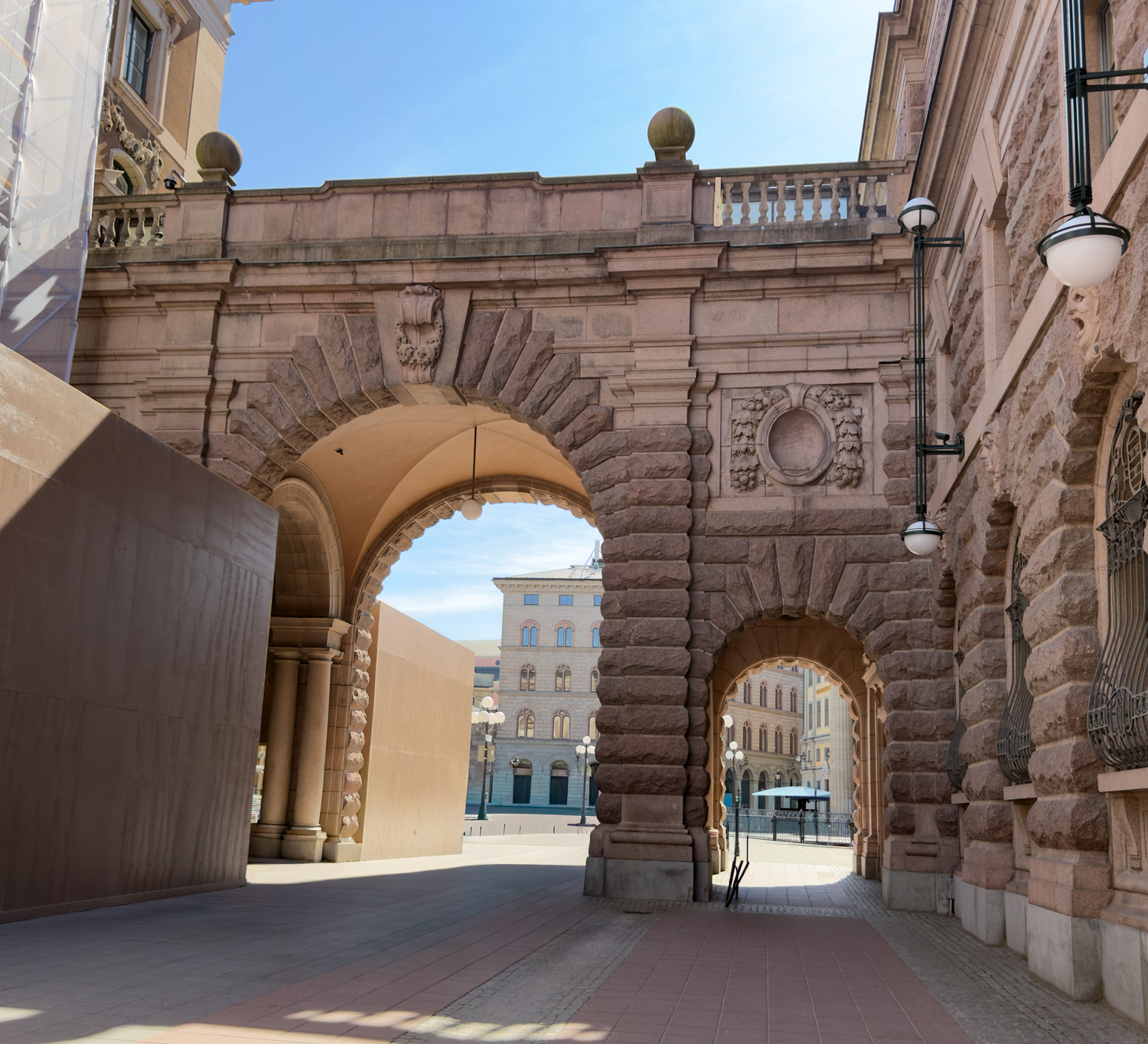
•Stone arches along Riksgatan, the street that runs through the Swedish Parliament House complex on the island of Helgeandsholmen in Stockholm.
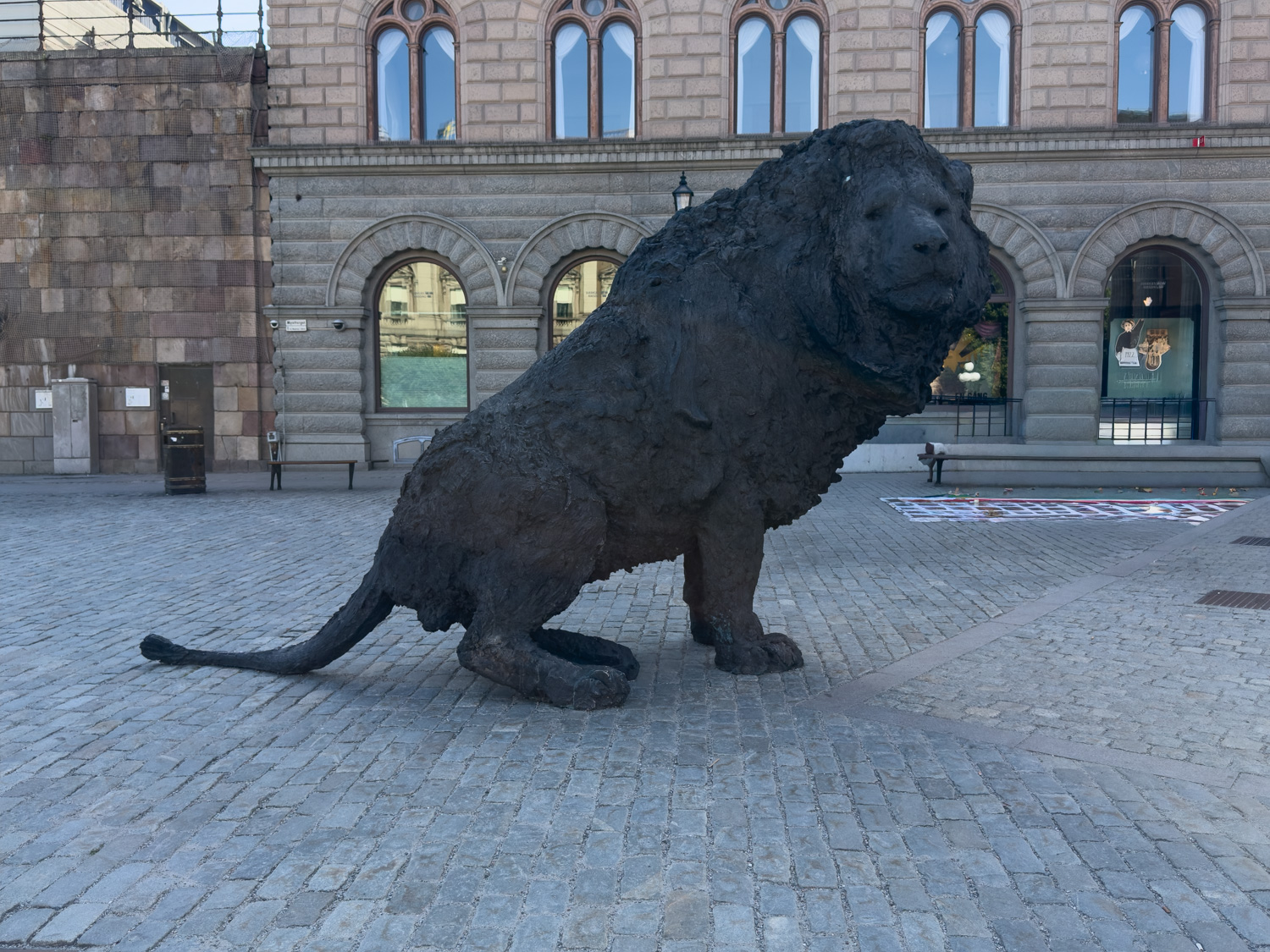
•Dark Bronze Lion sculpture, part of an outdoor exhibition “Blowing Figures into Space” which placed 12 sculptures across the city to be on display for one year.
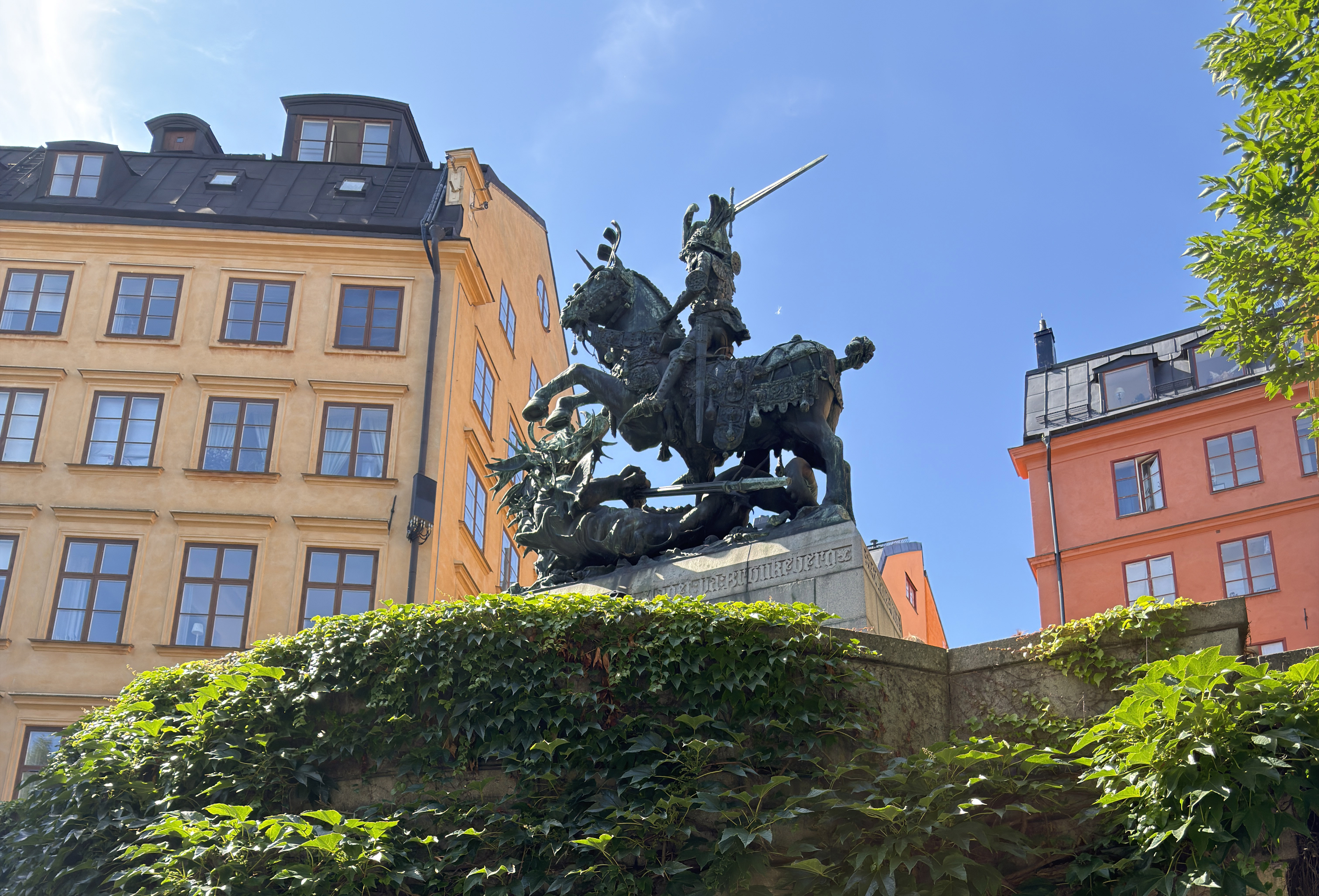
•Saint George and the Dragon—a bronze sculpture commemorating a historical Swedish victory (over Denmark, the dragon). It was originally crafted in wood in 1489 and a bronze copy was created in 1912.
•Järntorget – a public square in the southern part of the old town of Stockholm
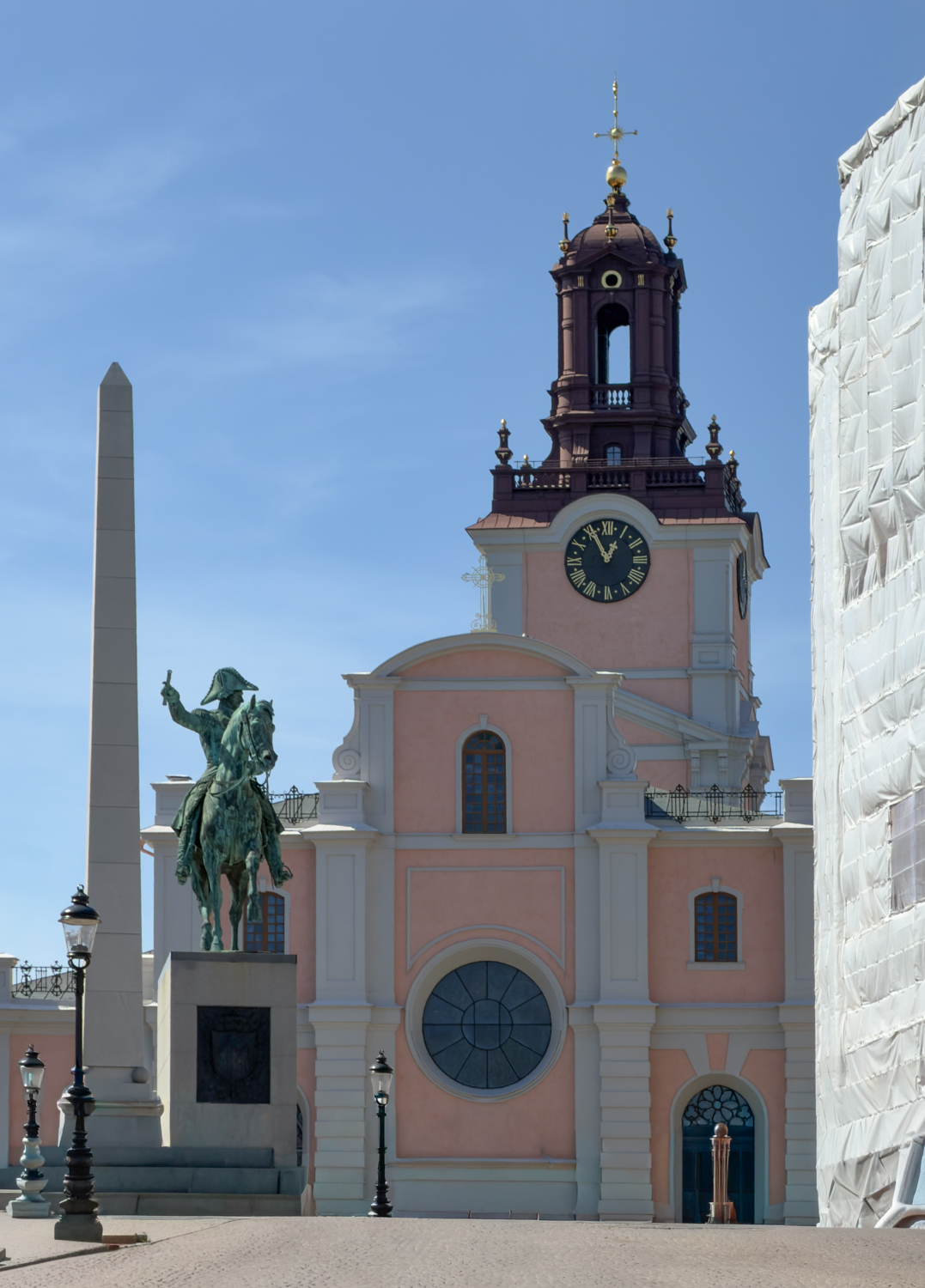
•Stockholm Cathedral is the oldest church in the Old Town area, originally founded in the 13th century with a later Baroque style. In front are a bronze horse statue honoring King Charles XIV John (unveiled in 1854) and Gustav III's Obelisk, a tall stone monument that was erected to honor local citizens.
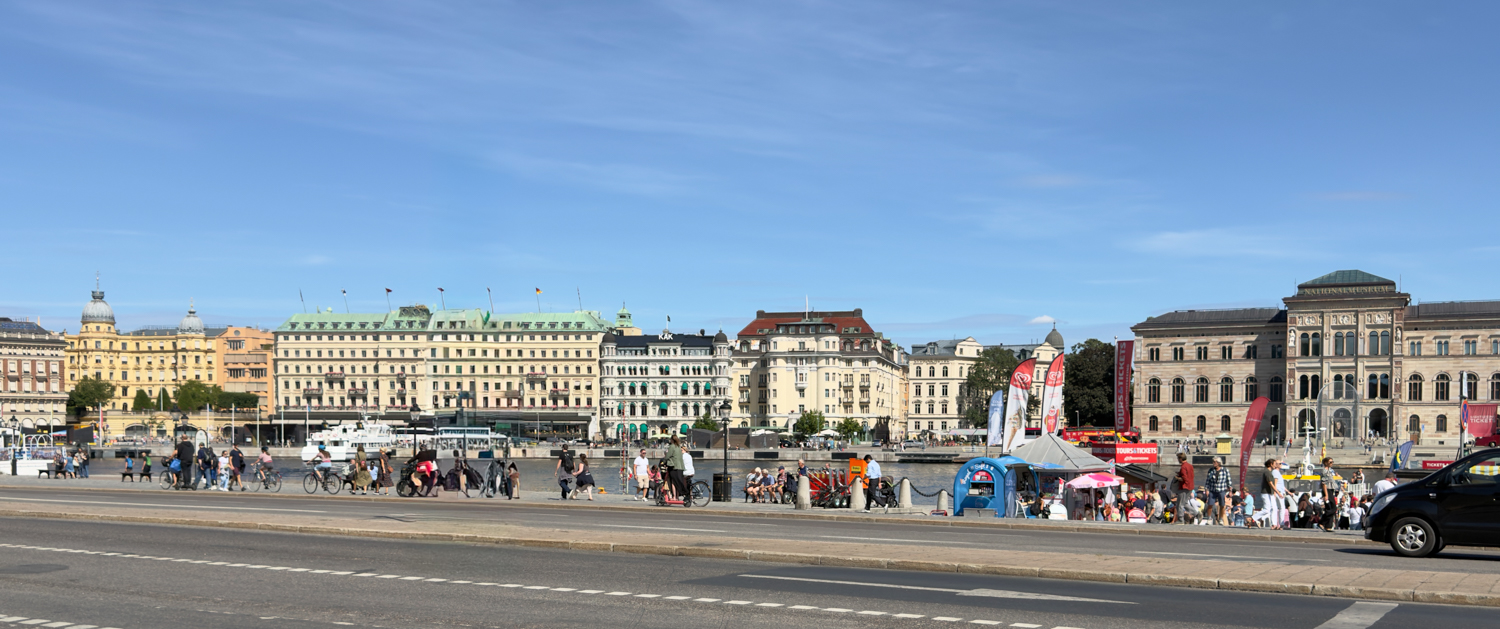
•Panoramic view of the waterfront in Stockholm, Sweden, featuring the historic Grand Hôtel Stockholm with its prominent green roof and the National museum further down the embankment.
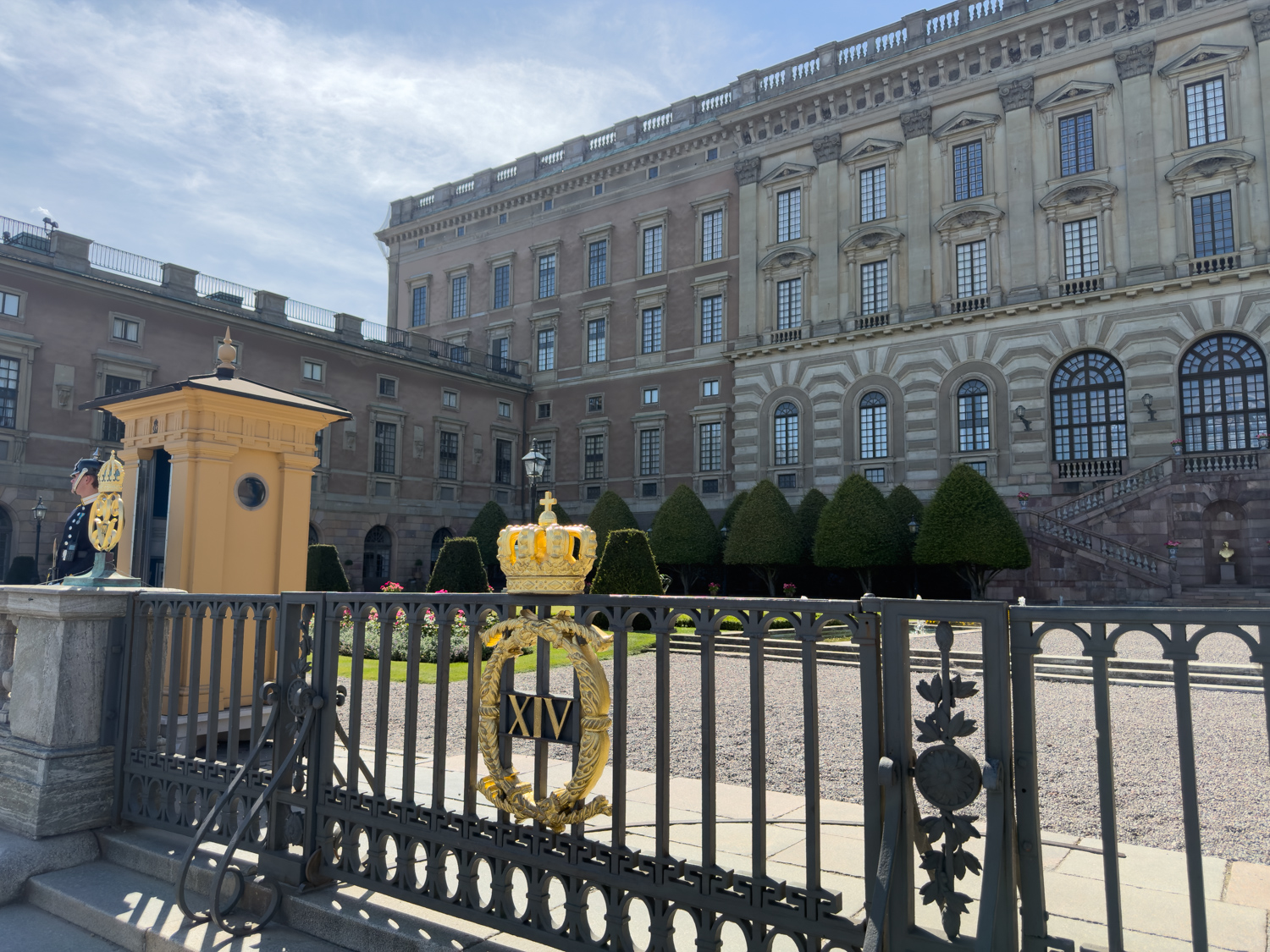
•Stockholm Palace is the official residence and major royal palace of the Swedish monarch. The offices of the King, the other members of the Swedish royal family, and the Royal Court of Sweden are here. The palace is used for representative purposes by the King whilst performing his duties as the head of state. This royal residence has been in the same location since the middle of the 13th century.
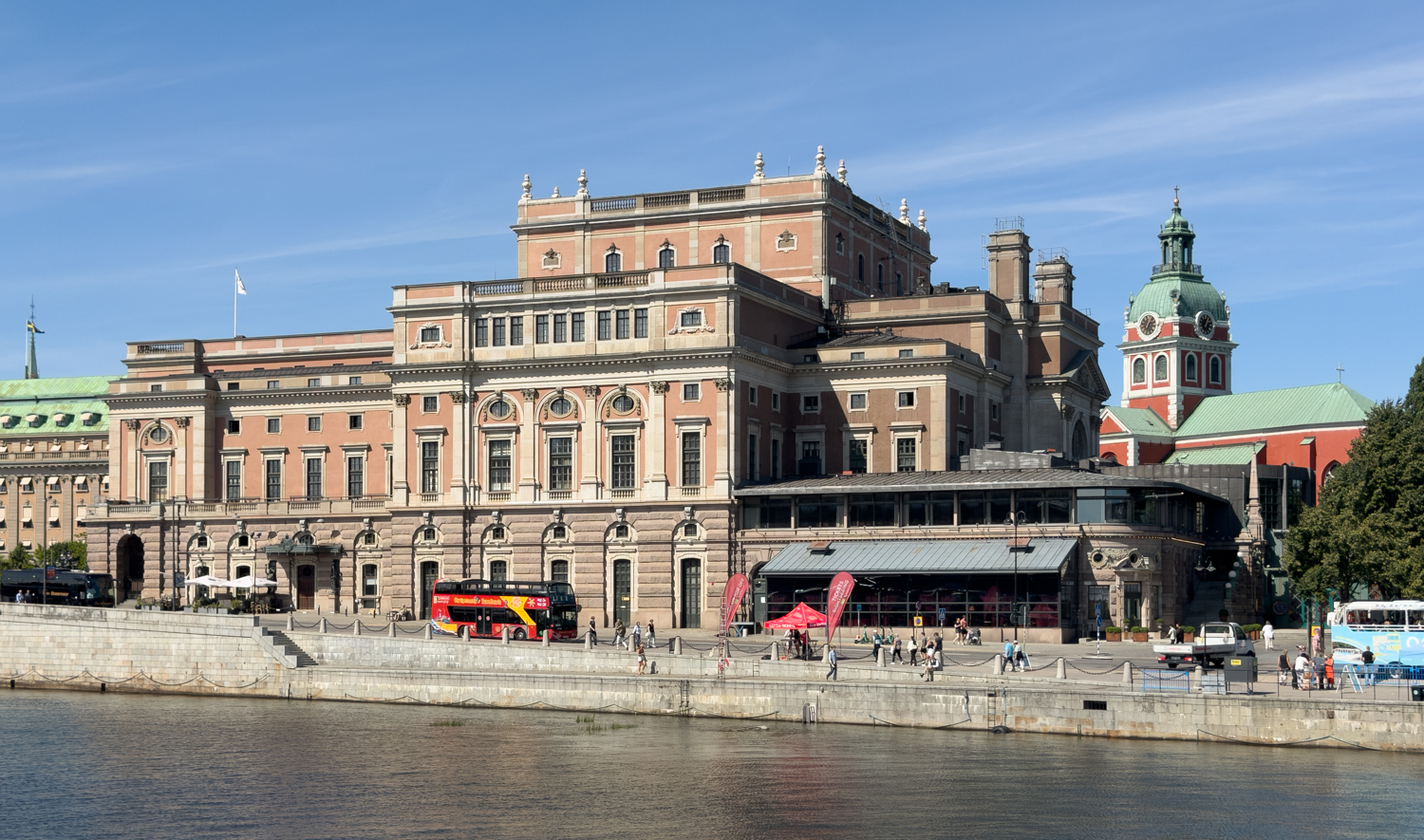
•Royal Swedish Opera House, opened in 1899 (replacing the older opera house built by King Gustav III).
Visby
Wednesday August 5th. The 4 of us met on the dock mid morning and rode a shuttle bus into town. We just wandered all over the place to see all the church ruins and the city wall and other sites. We then took a respite in the square for bit and enjoyed 1) cinnamon-sugar HOT almonds 2) Danish pastry, and 3) gelato. Then we wandered some more before enjoying a very relaxing pizza place. Later we enjoyed another dinner at the buffet followed by our normal seats for the show in the Princess Theater.
Visby is a historic city on the Swedish island of Gotland (the largest island in the Baltic Sea) and one of the best-preserved medieval towns in Northern Europe. Once a major center of trade during the Middle Ages, Visby became an important member of the Hanseatic League and prospered as a hub connecting Scandinavia with the rest of Europe. Visby’s exceptional medieval heritage earned it a place as a UNESCO World Heritage Site in 1995.
The photos below show:
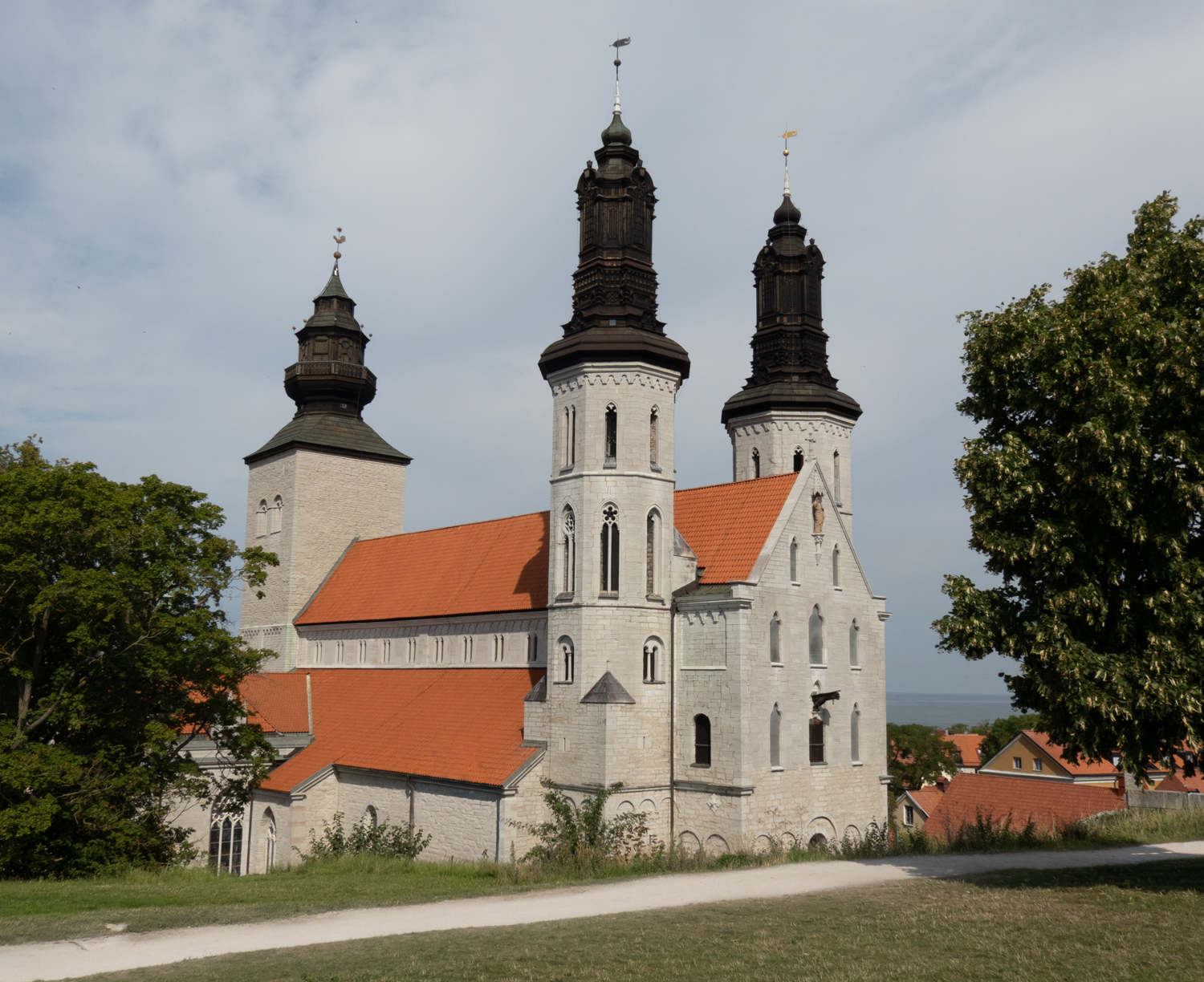
•Visby Cathedral was consecrated on July 27, 1225, it originally served German traders before becoming a cathedral in 1572.
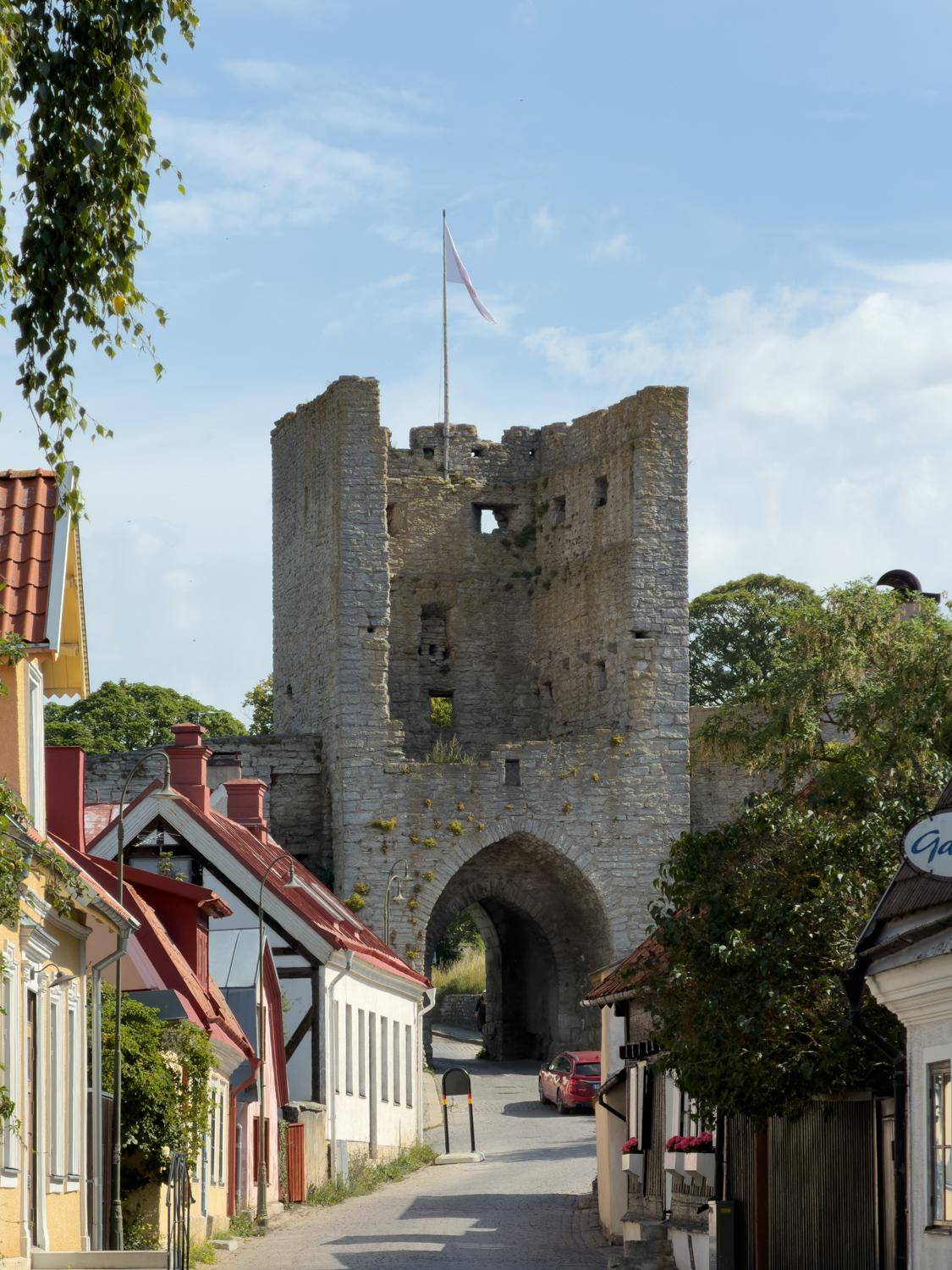
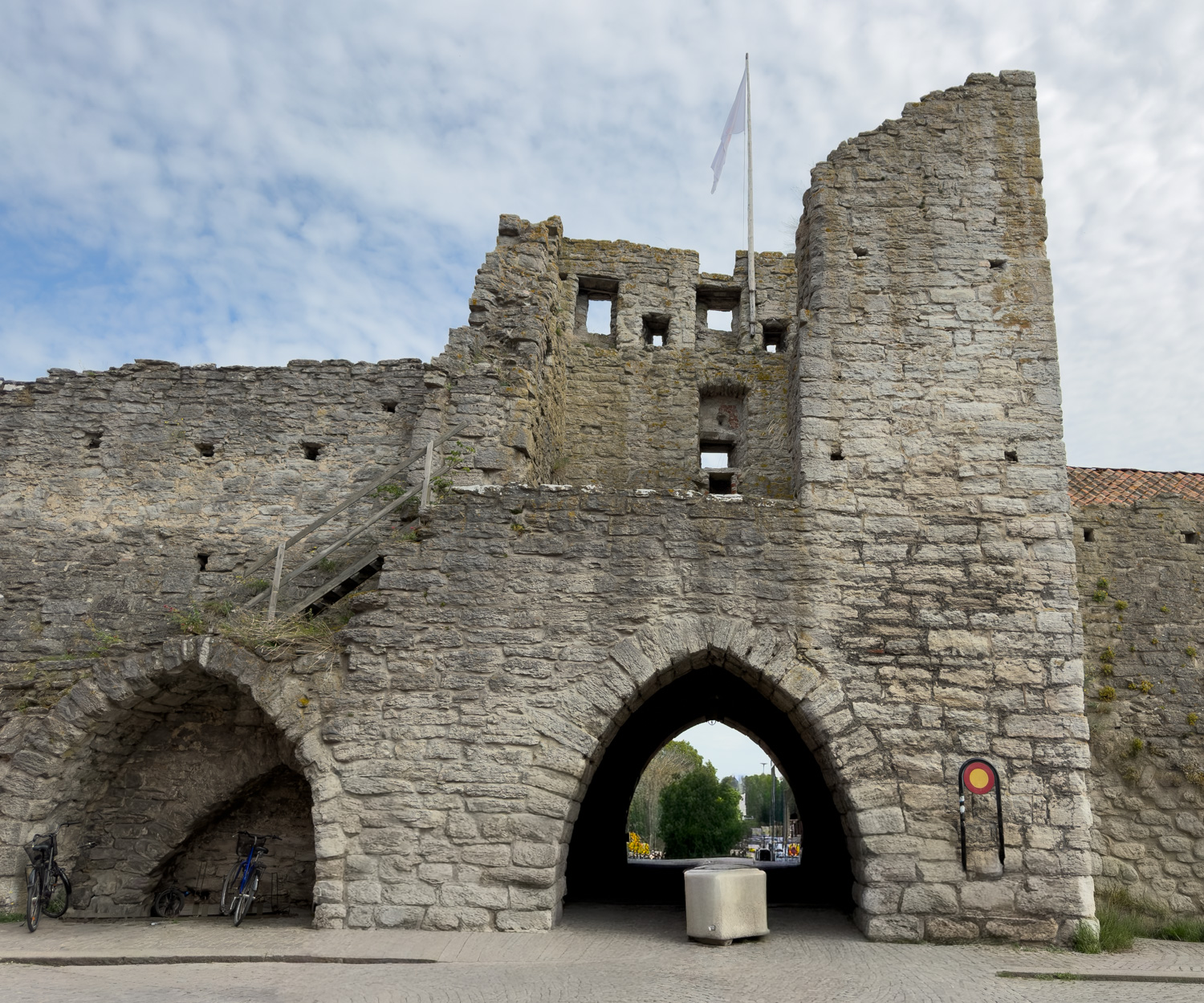
•The Visby City Wall is one of the best-preserved medieval city walls in Europe. Built primarily during the 13th century, the nearly 2-mile stone wall features more than 40 towers and gates, many of which remain remarkably intact and provide a glimpse into Visby’s medieval past.
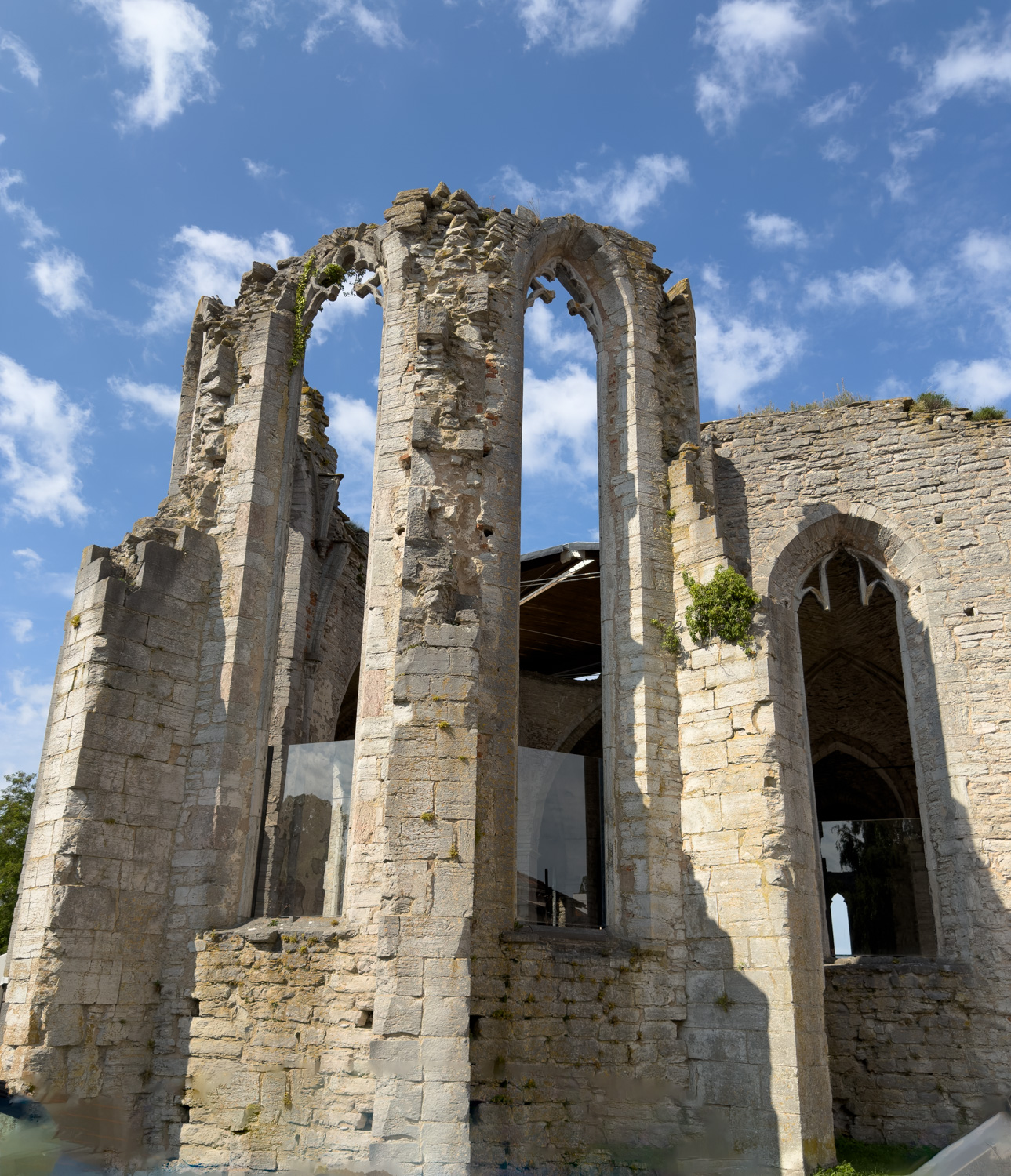
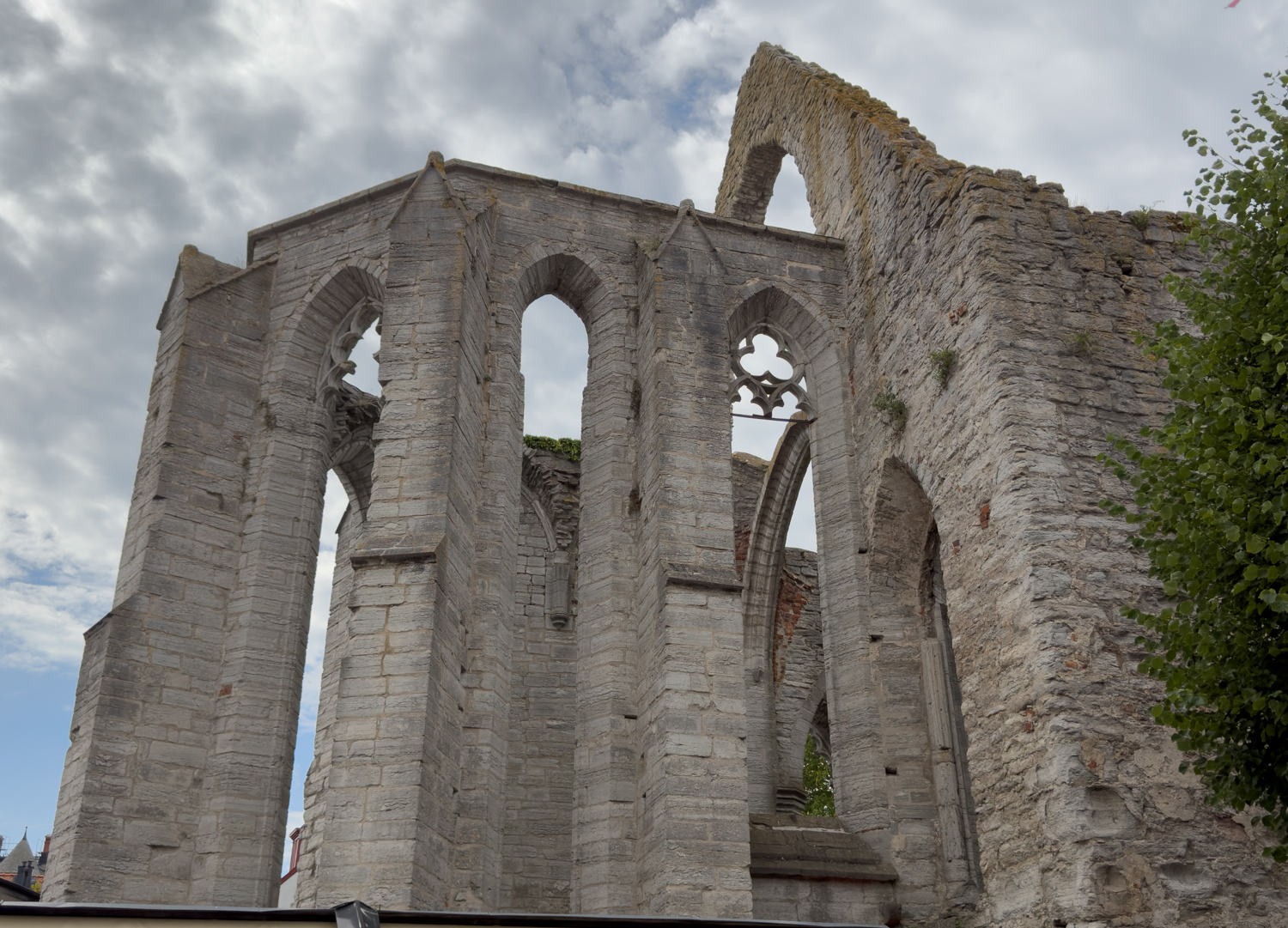
•Saint Nicholas Church Ruins – the church was built around 1230 by Dominican friars (Blackfriars) as a monastery church. It is the largest of Visby's historic church ruins.
•The Eastern Gate along the Visby City Wall is a five-story limestone gate tower built around 1286.
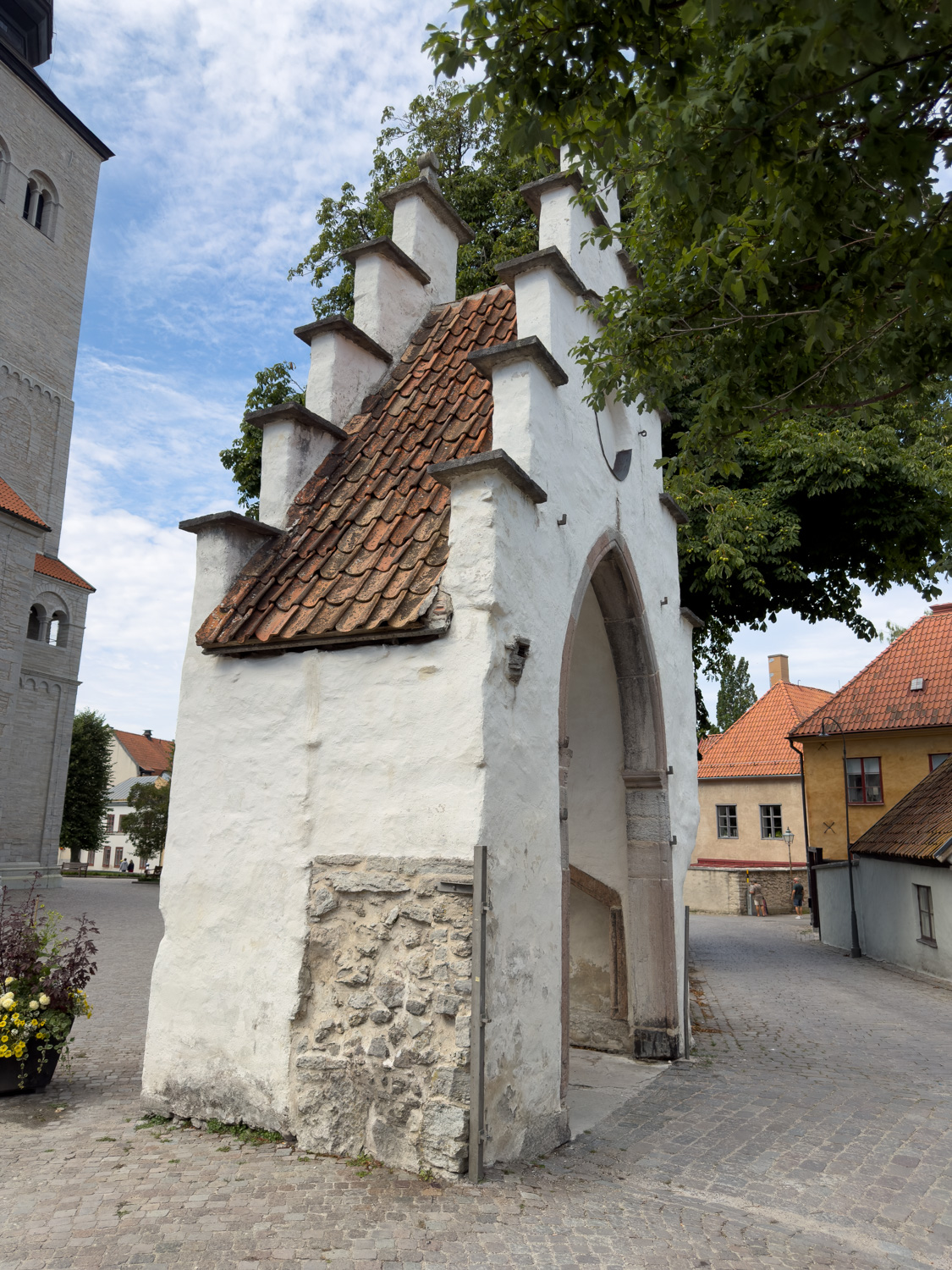
•Remains of the northern gate of the Visby Cathedral Cemetery.
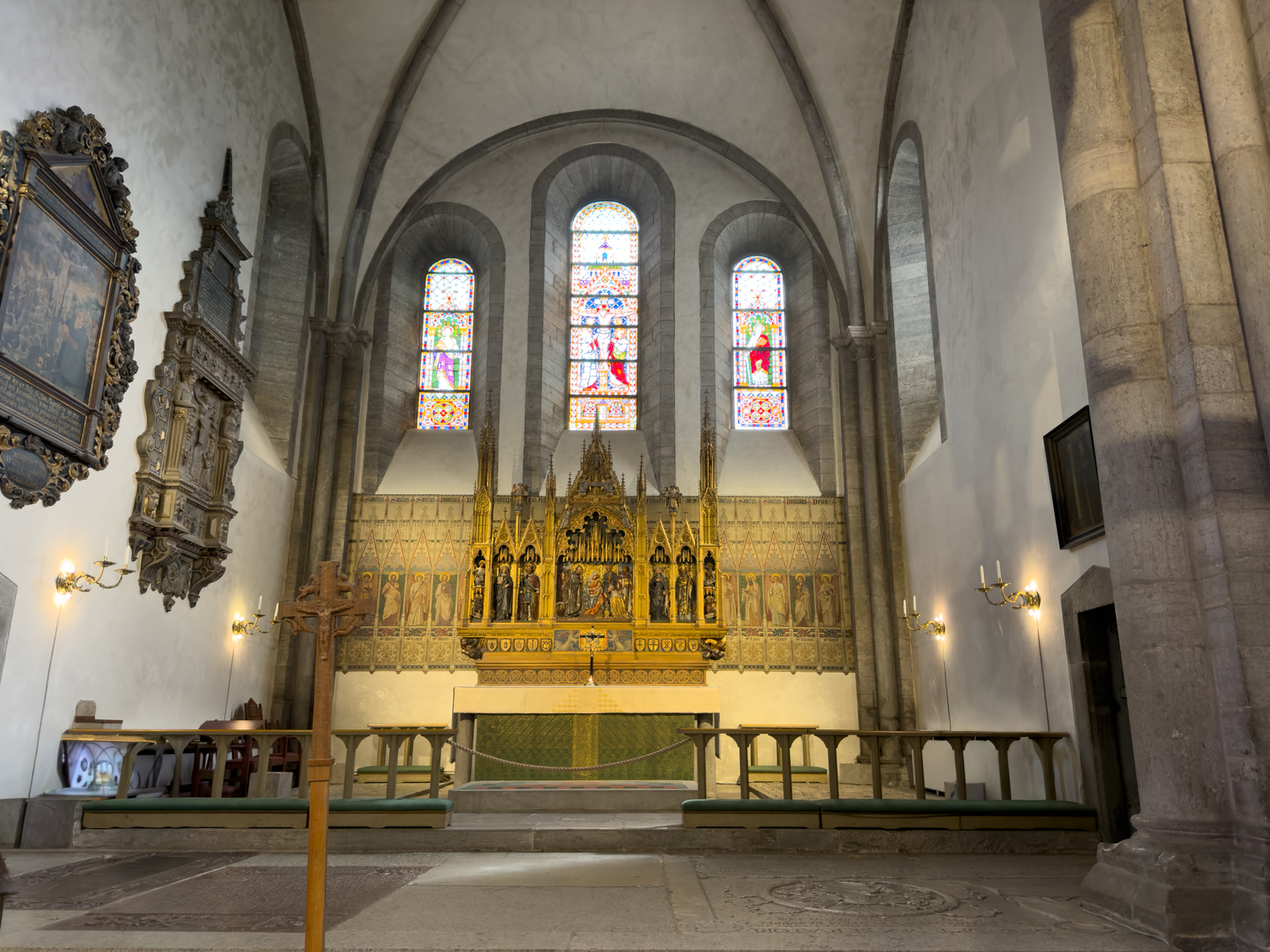
•Main altar inside Visby St. Mary’s Cathedral which was originally opened in the 13th century as a church for German traders in the Hanseatic League. It is the only medieval church in Visby that is still completely intact today.
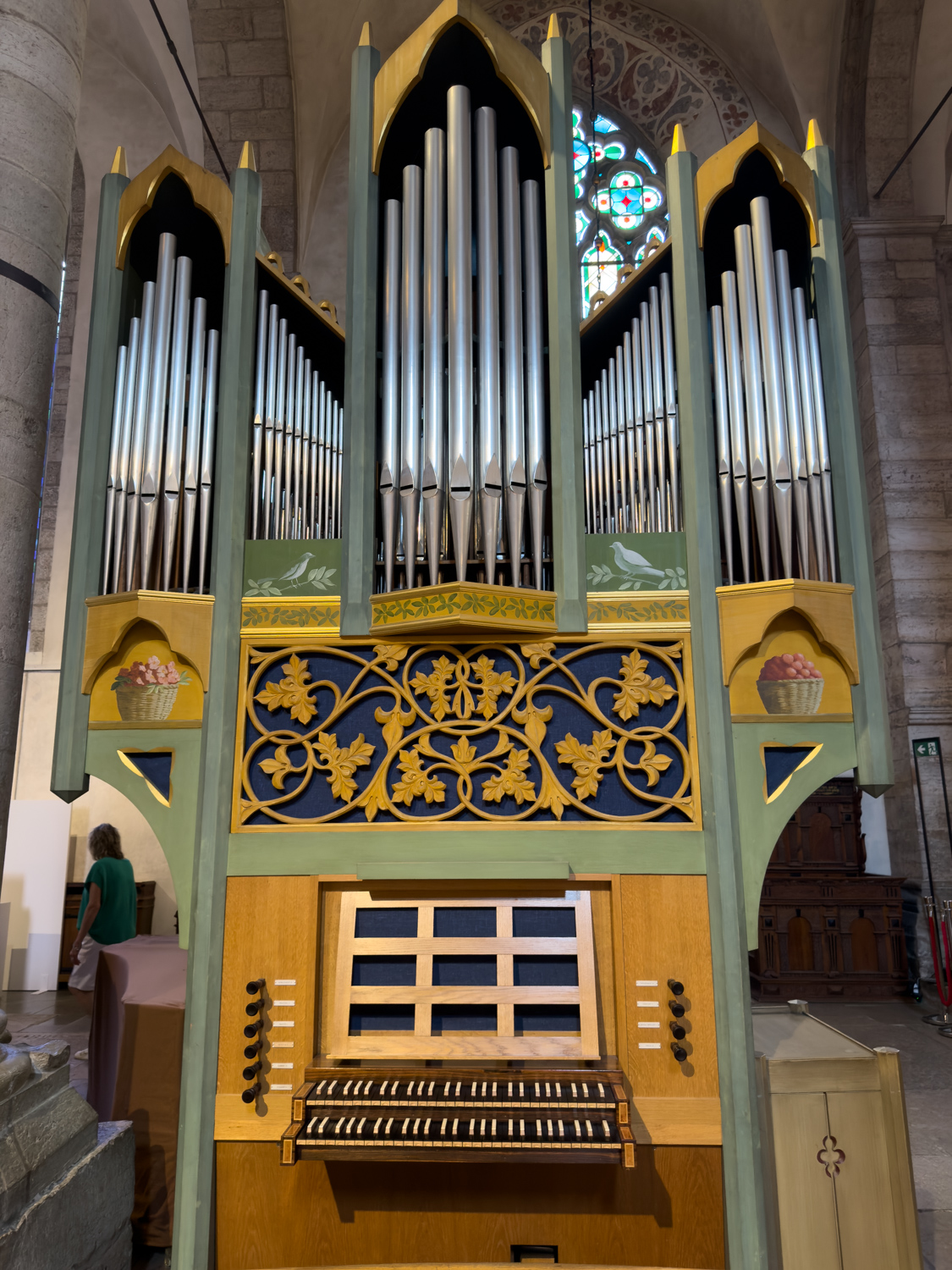
•Organ inside the Visby St. Mary’s Cathedral.
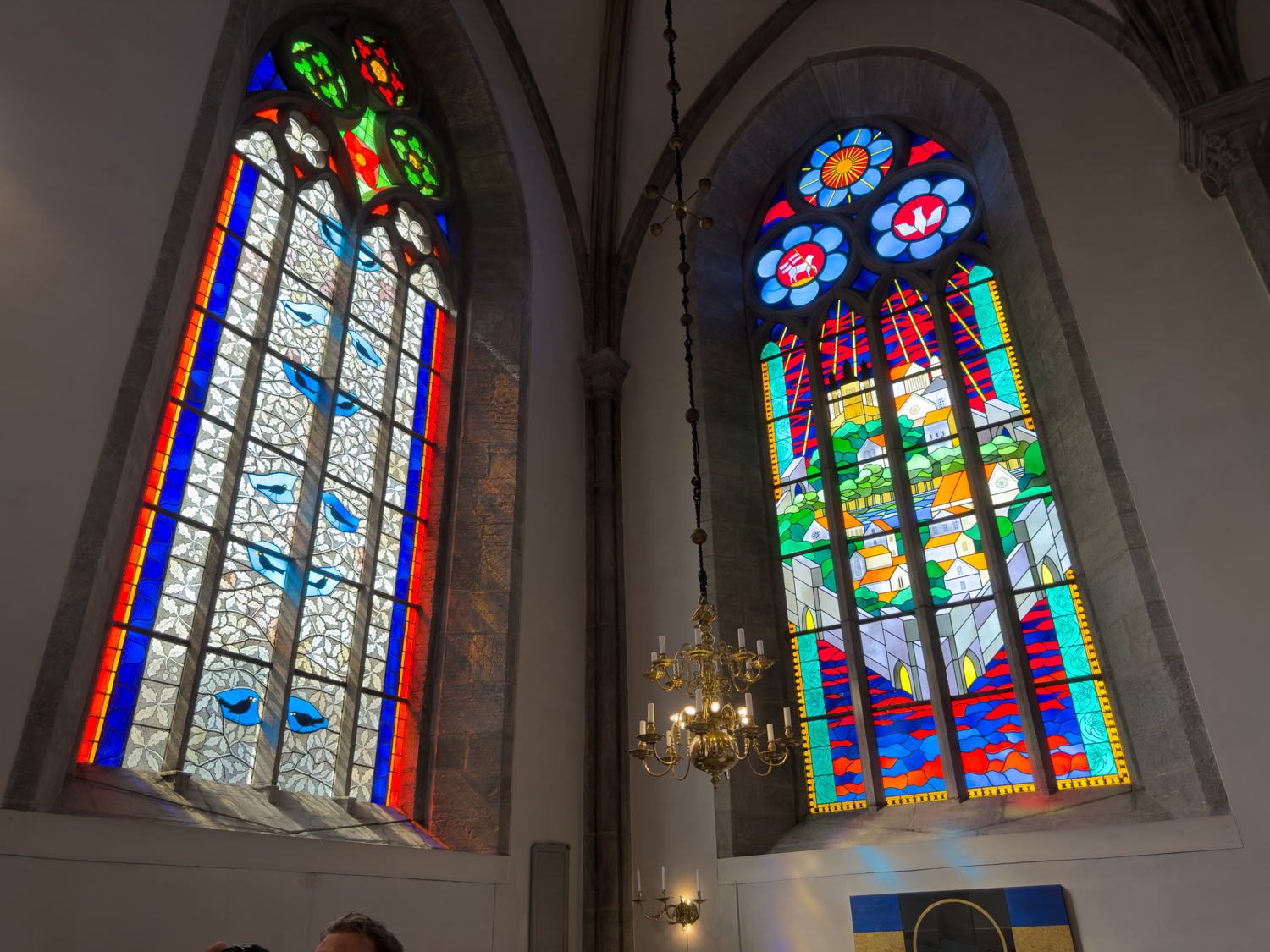
•Stain glass windows in the Visby St. Mary’s Cathedral.
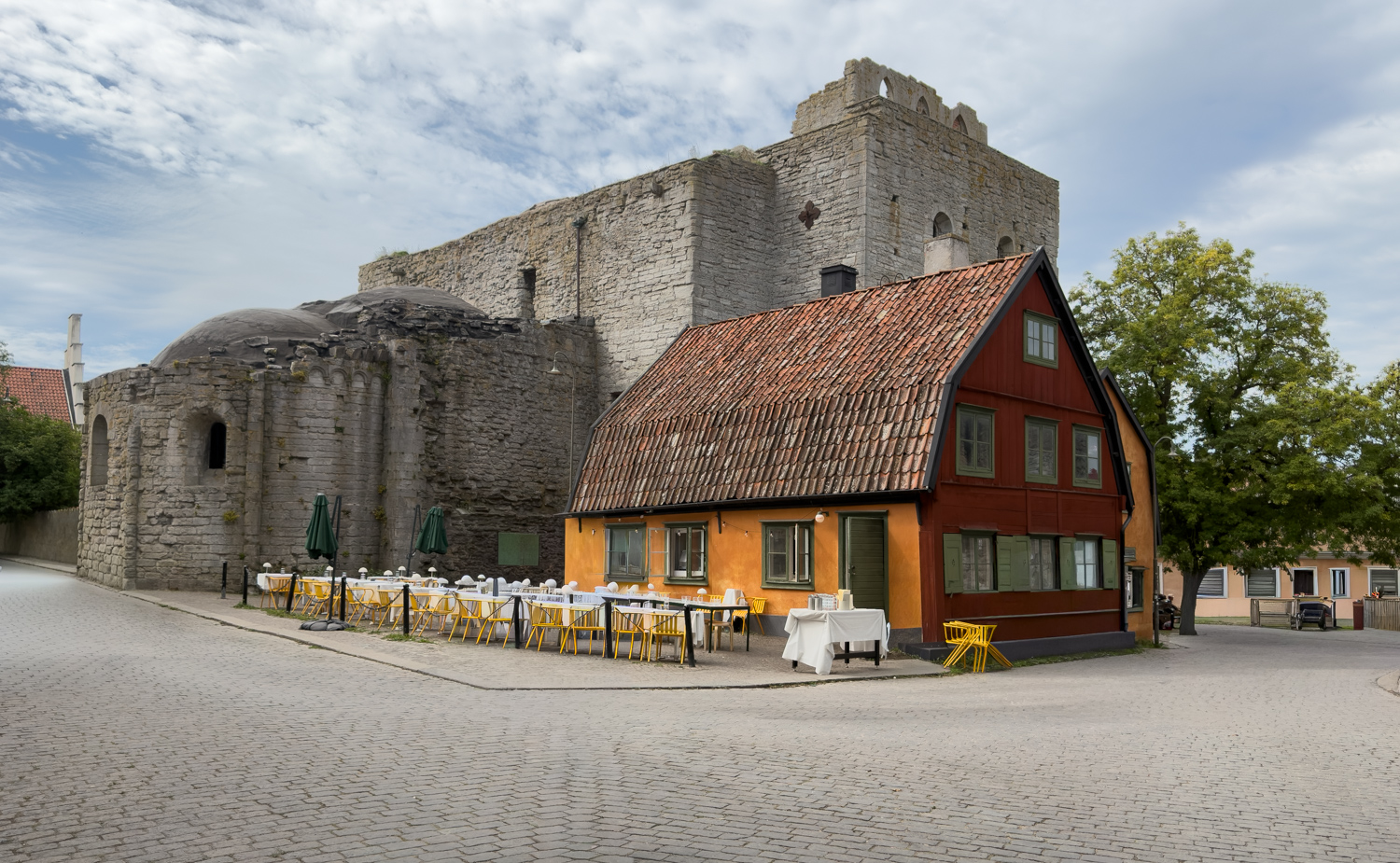
•Café Paradiset is a charming small café in Visby’s historic center, situated directly beside the medieval ruins of St. Lars Church.
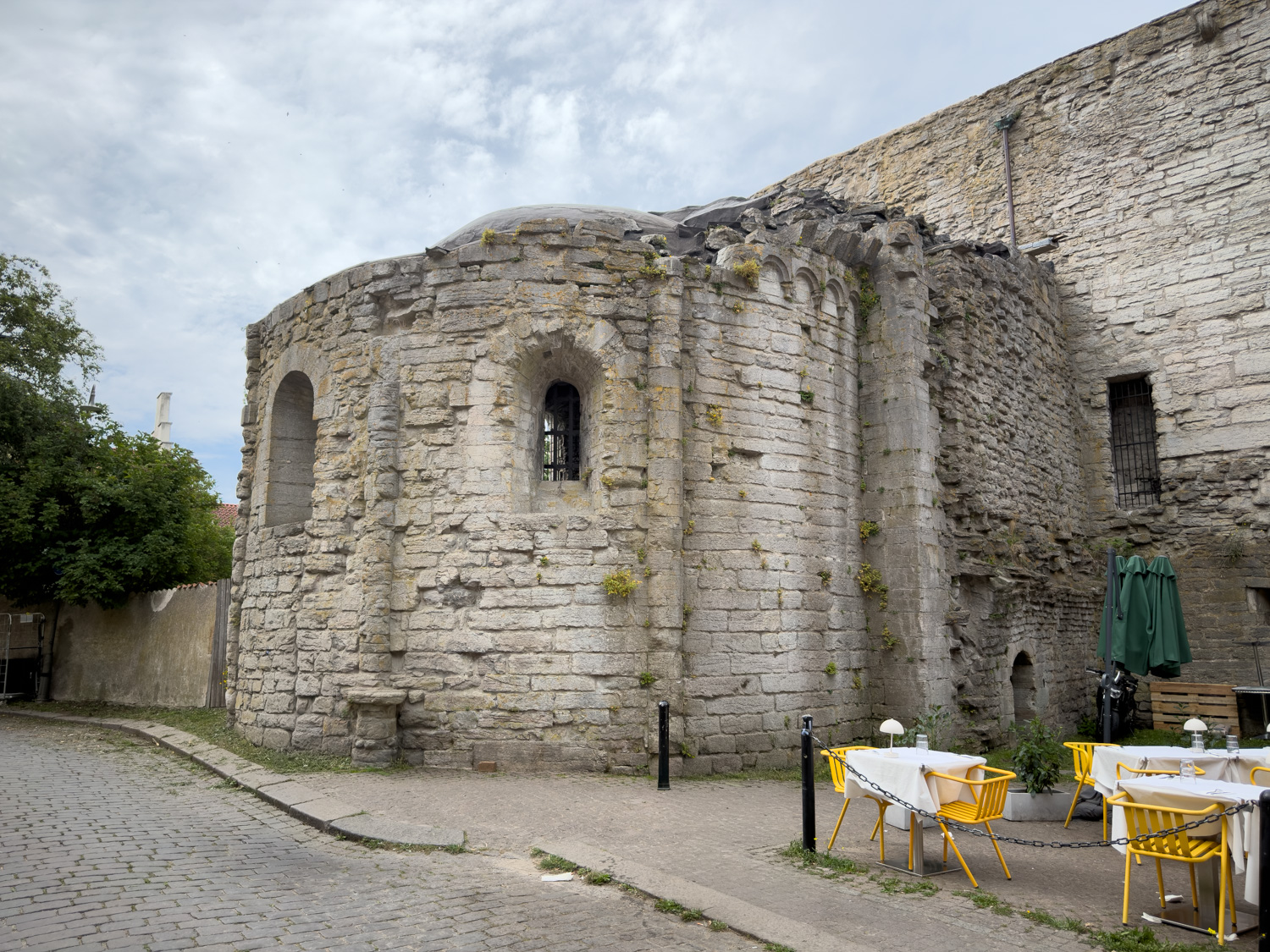
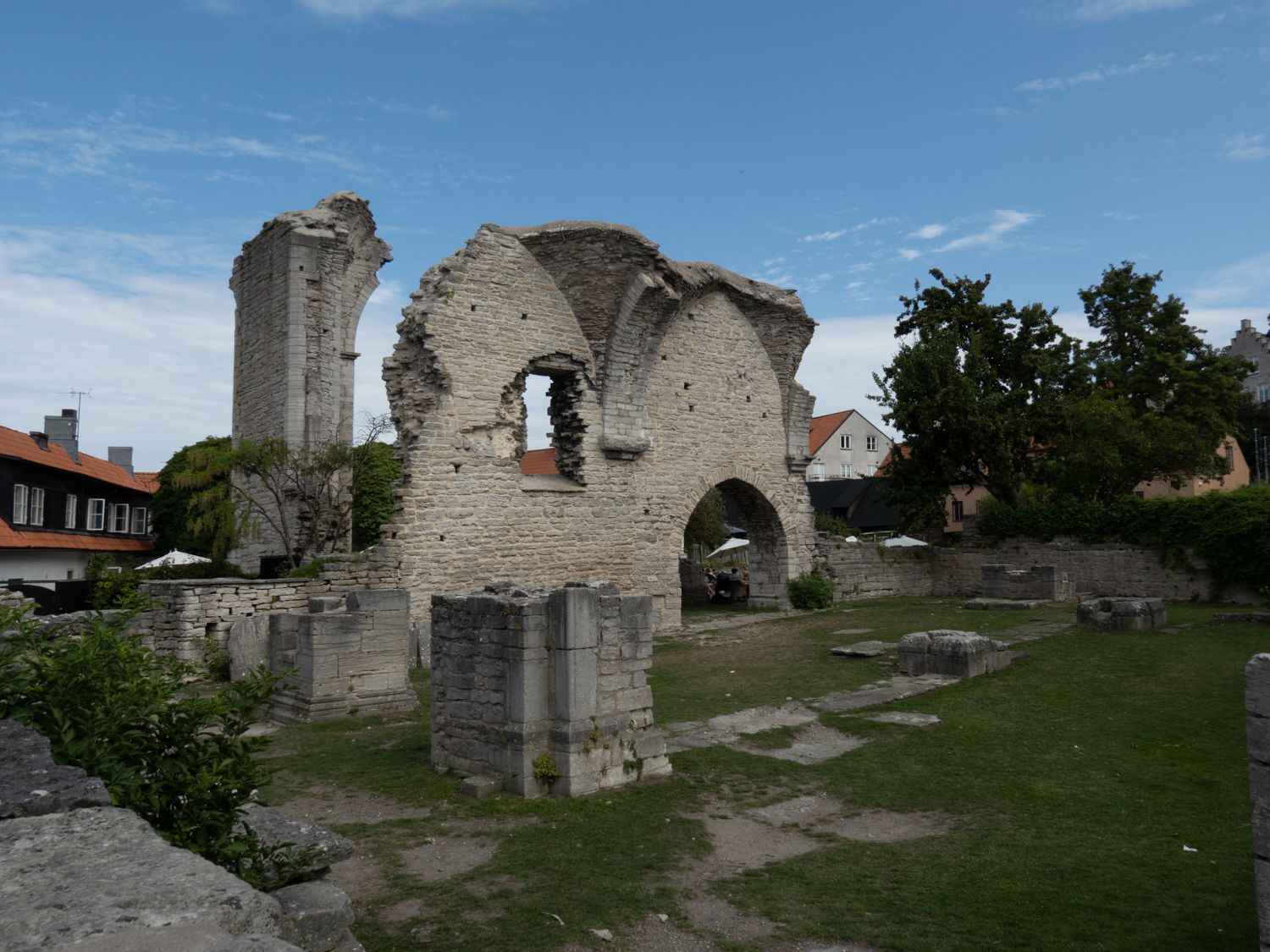
•St. Lars Church dates back to the early 13th century. The church was abandoned after the Reformation and gradually fell into ruin, but its massive stone walls, unusual design, and narrow stairways and passages remain.
•Stone wall ruins of Saint Catherine's Church. built originally for a Franciscan convent founded in 1233, with major reconstruction taking place in the early 14th century and finishing around 1412.
•Saint Hans and Saint Peter Church ruins. They were built right next to each other during the 1200s.
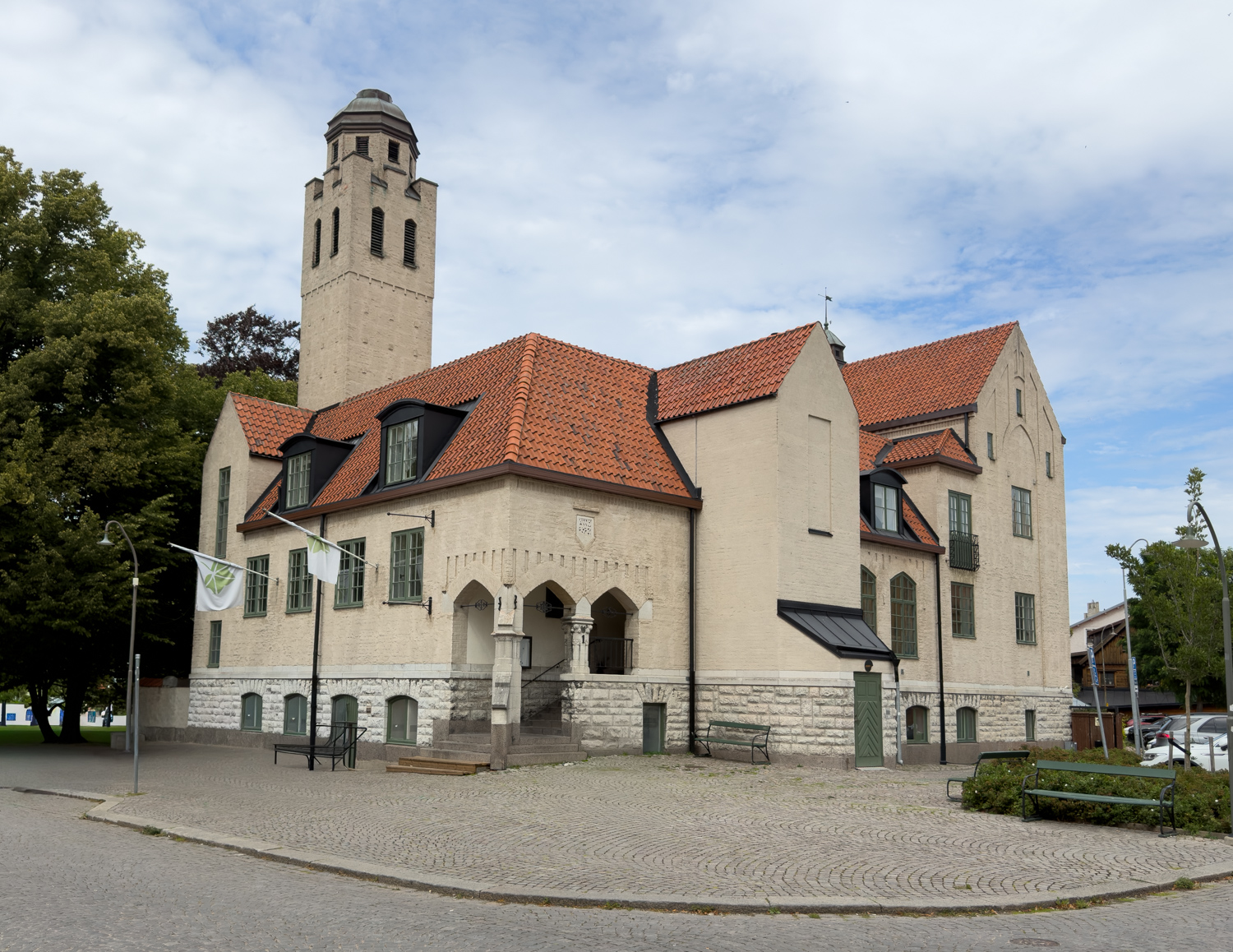
•Rindiborgen was a warm bath building and is now known as Rindi, the student union for Uppsala University Campus Gotland. It is a lively historic hub used by students since its renovation and reopening in the early 1990s.
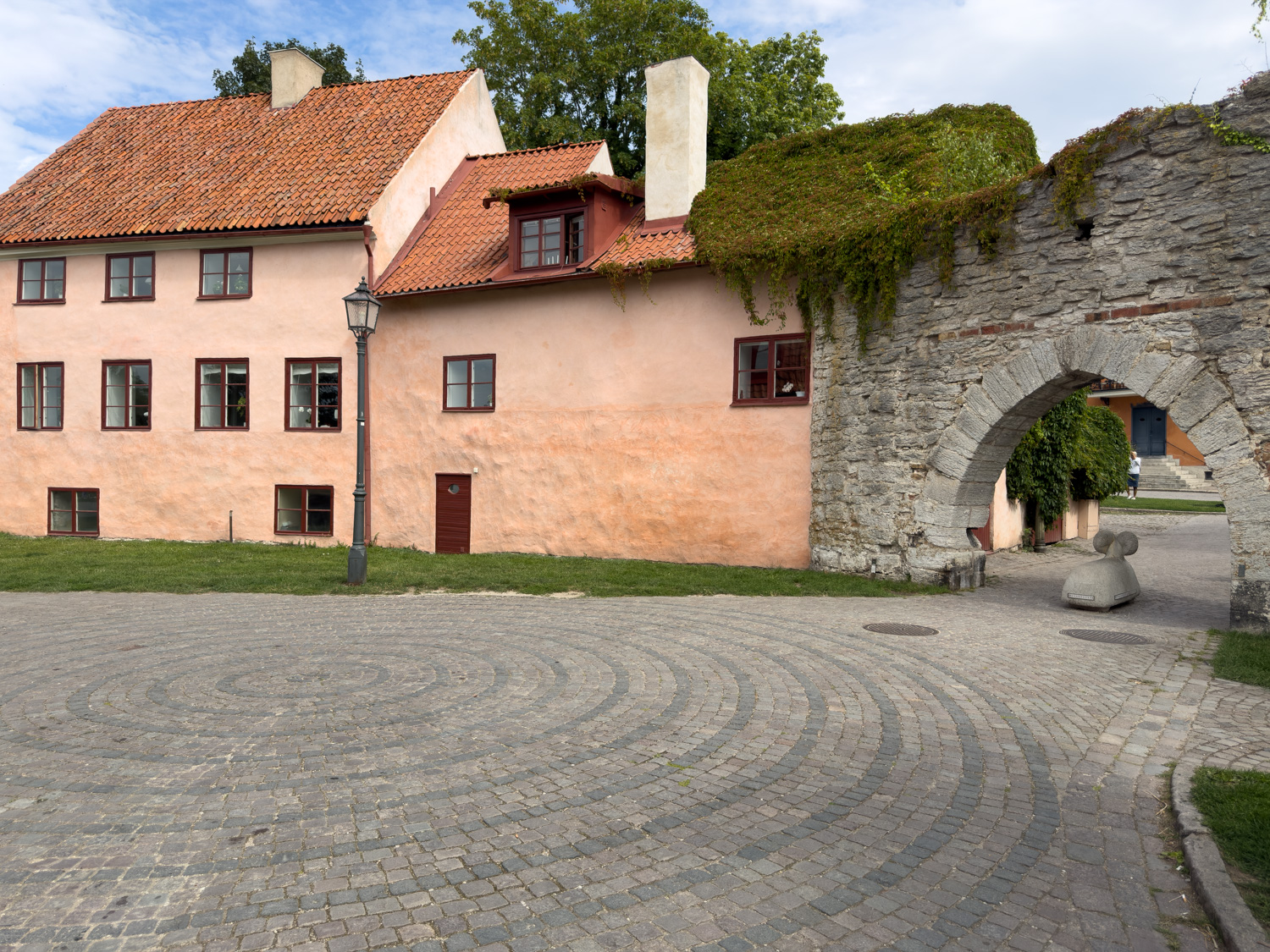
•Fisherman’s Gate, built in the 15th century, allowed fishermen easy access from the harbor and the fishing area. The stone mouse sculpture under the archway is one of many around town.
•The circular cobblestone lot features a pavement composed of concentric rings of small pavers, and the pastel-colored building is Villa Fiskarporten, a traditional stone house typical of Gotland architecture.
•Norderport is the northern portal of the Visby City Wall.
Thursday August 6th. Our 2nd and final day at sea. We had a relaxing morning then met for lunch at noon. The gals went to the cruise director’s show and later the music trivia game sing along. Then with Stan we had dinner at 5:00 followed by the final show in the theater. After returning to our rooms to finish packing we met for ice cream one final time. Lots of reminiscing about our great cruise around the table then farewells and off to bed.
Friday August 7th. The ship arrived back in Copenhagen where we all departed according to their schedule and took shuttle buses to the airport for our various flights home.
Returning to the ship by train we enjoyed another buffet dinner then went up top to watch them take away the water bridge and perform all the necessary actions to get the ship ready to head out. And then, oddly enough we went for some ice cream!
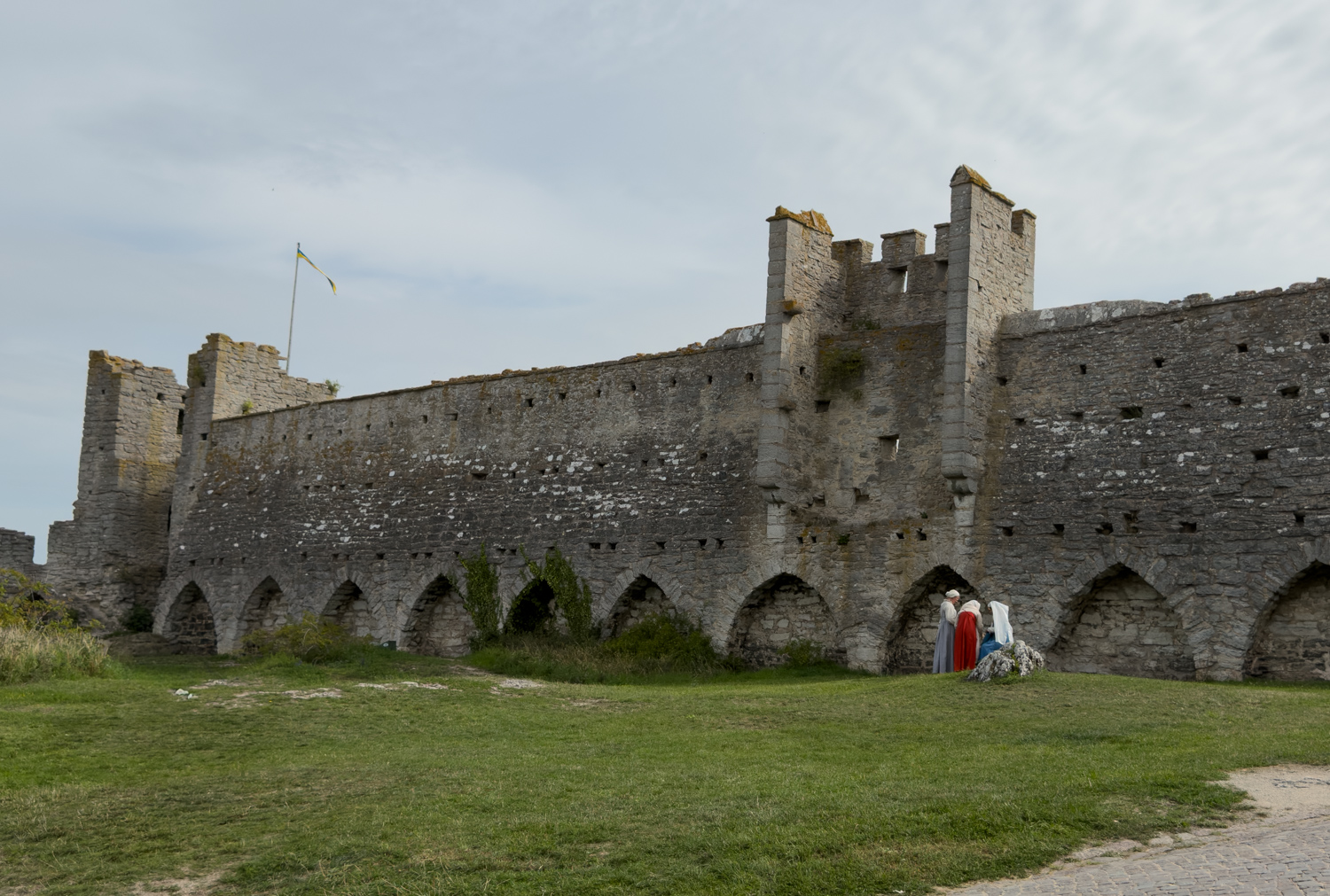
We were lucky enough to visit Visby during the many festivities of their annual Medieval Week. It transformed the town into a living 14th-century world and is Sweden’s largest historical festival with over 800 events around the town’s historic ruins. Here the attendees enjoyed a dance commemorating their past.


