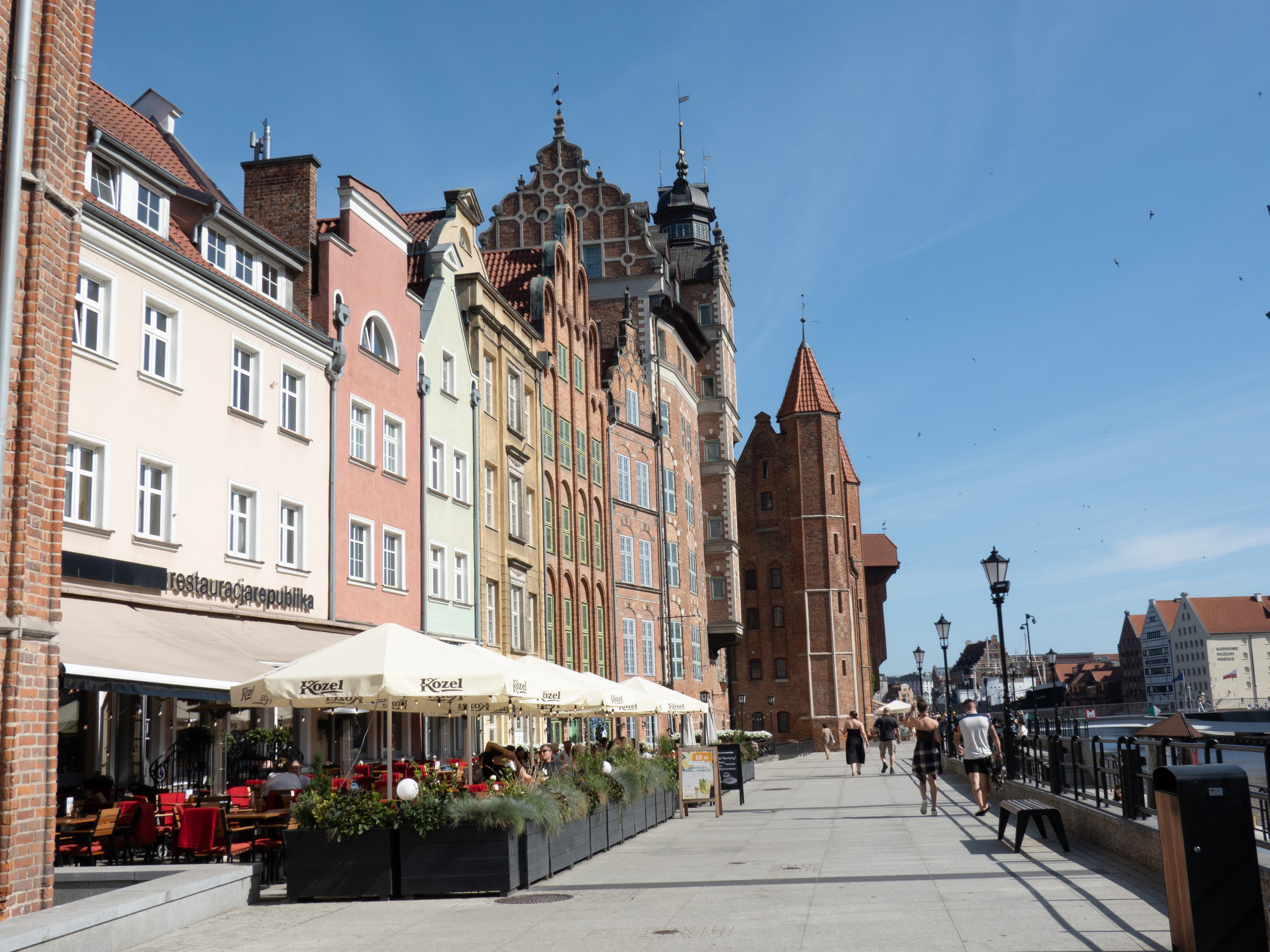
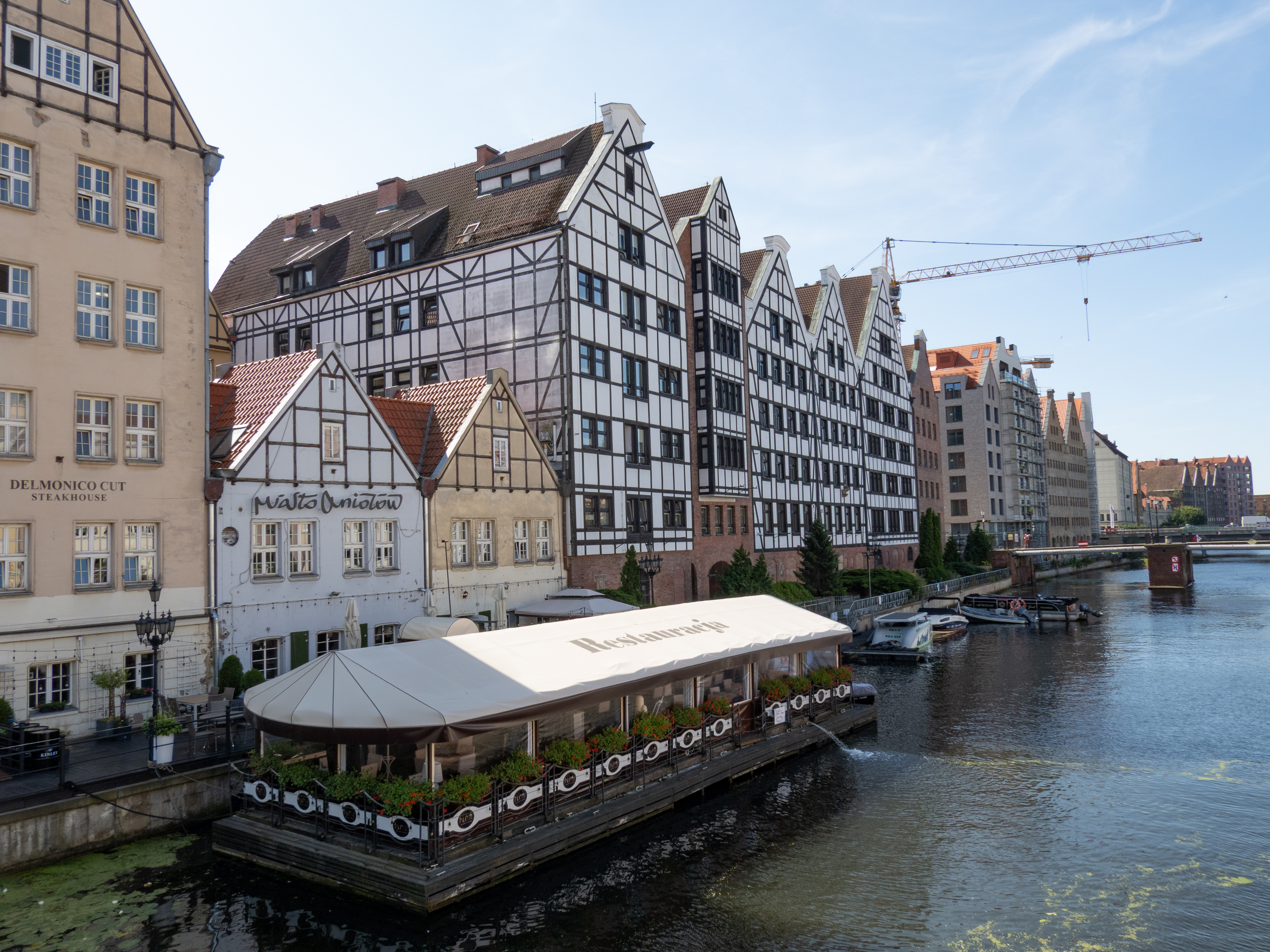
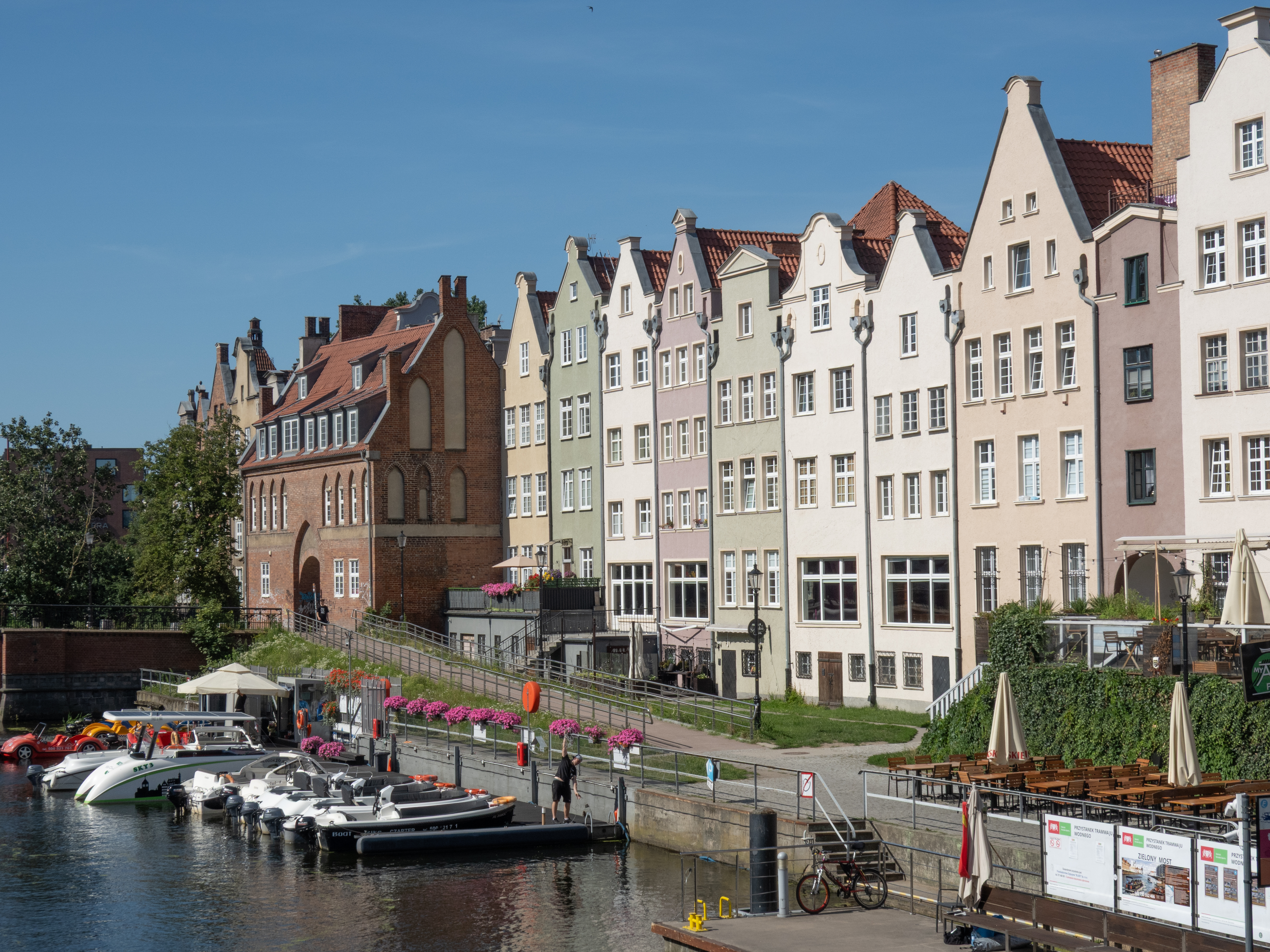
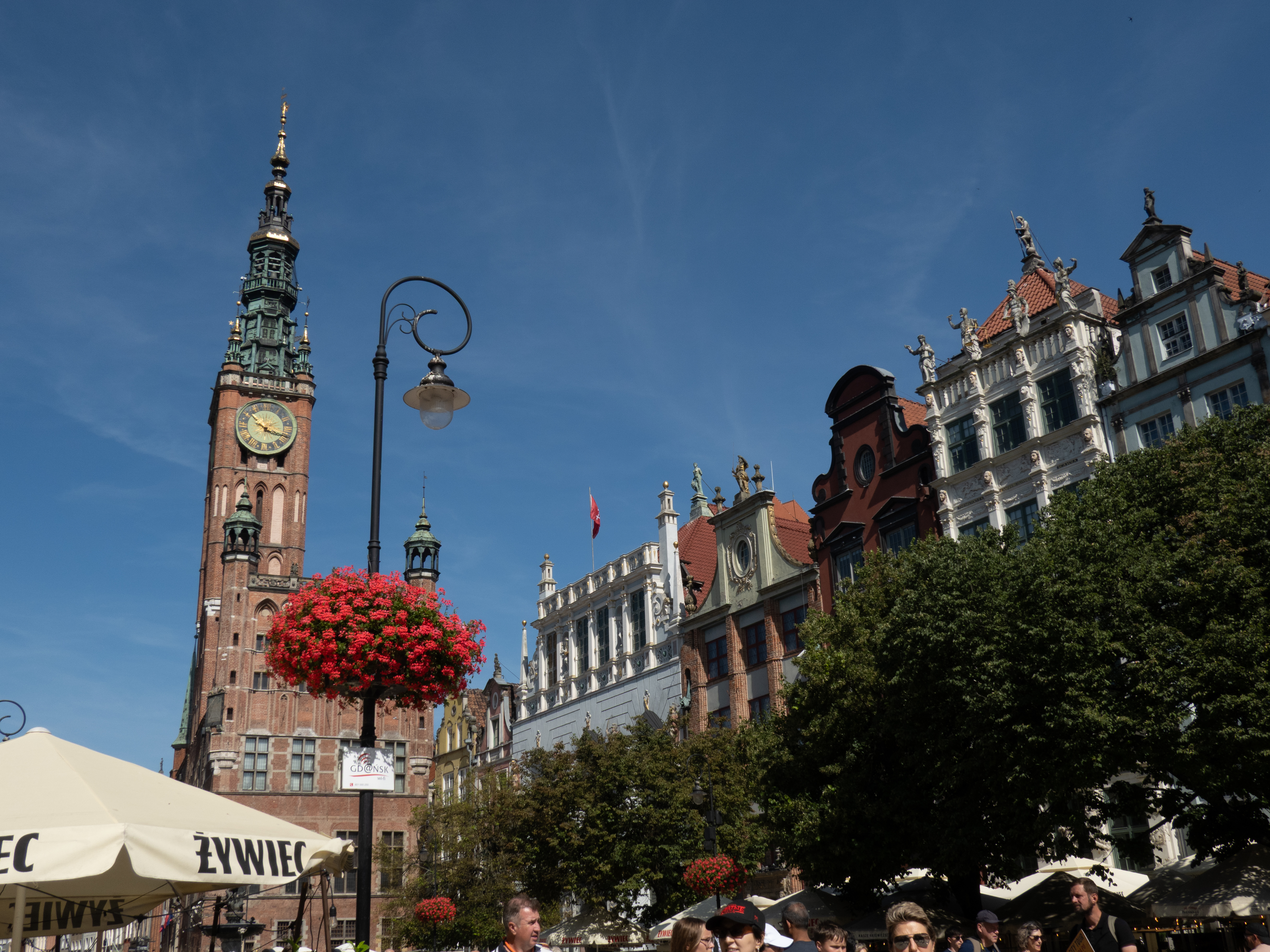
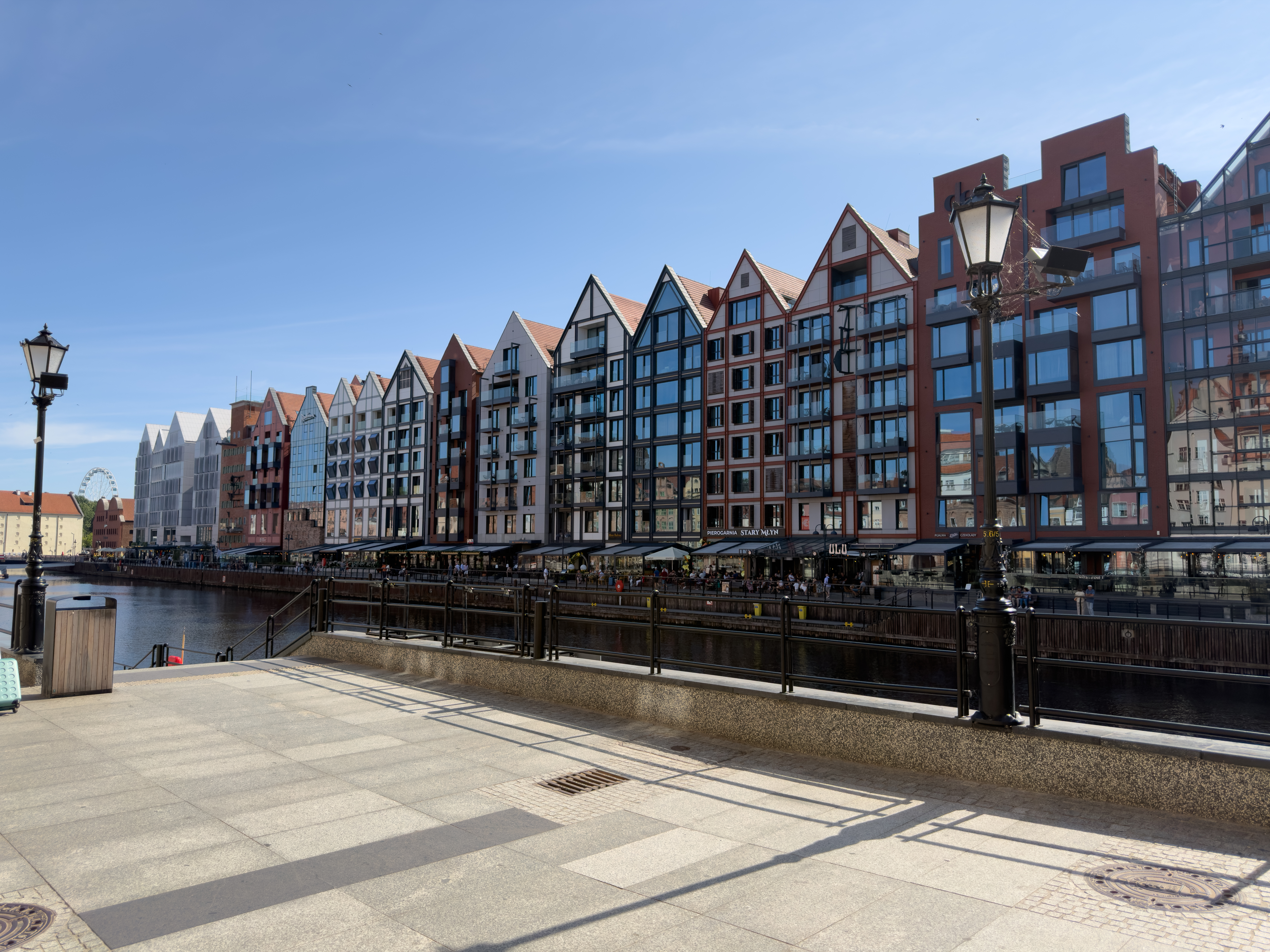
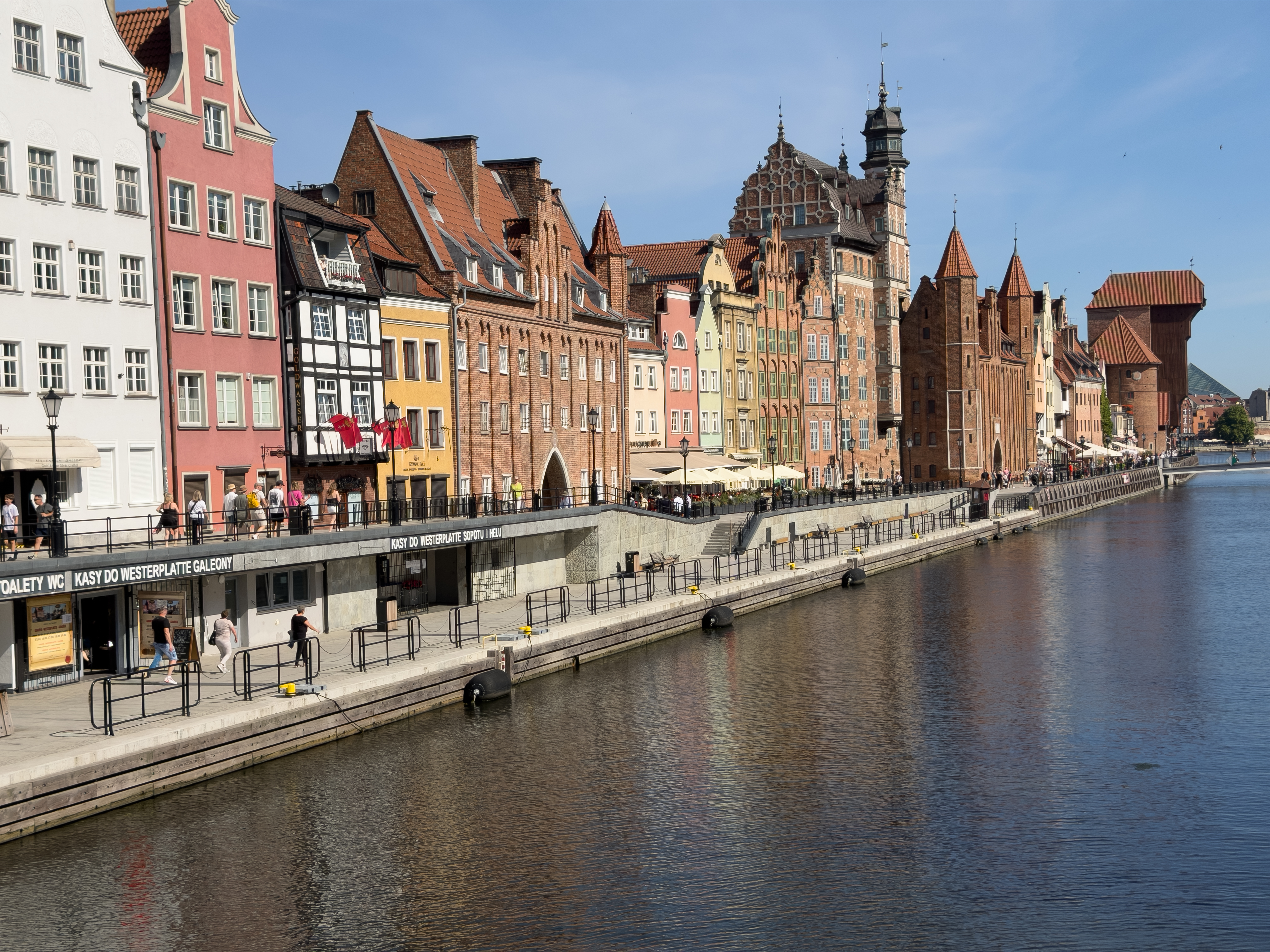
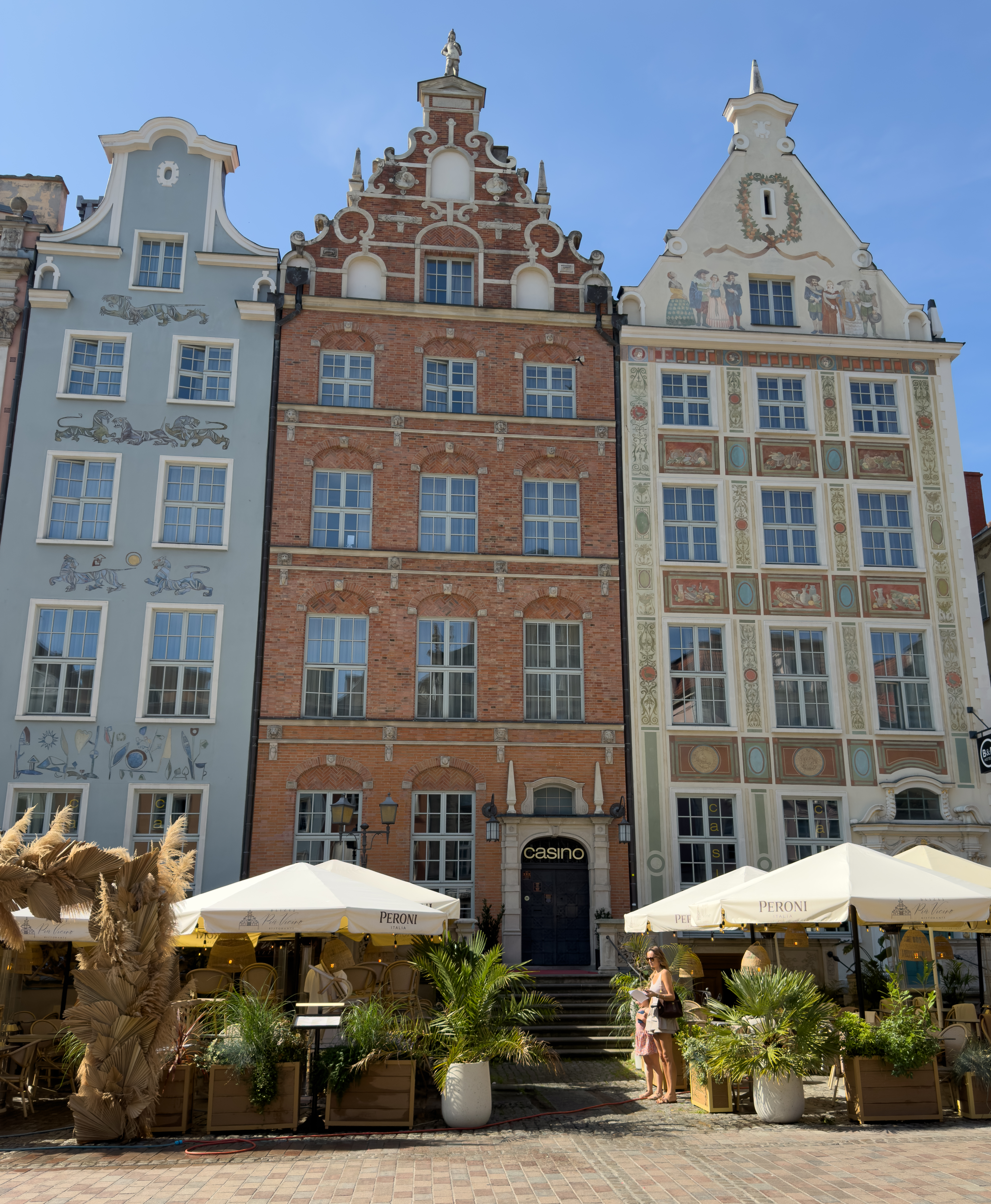
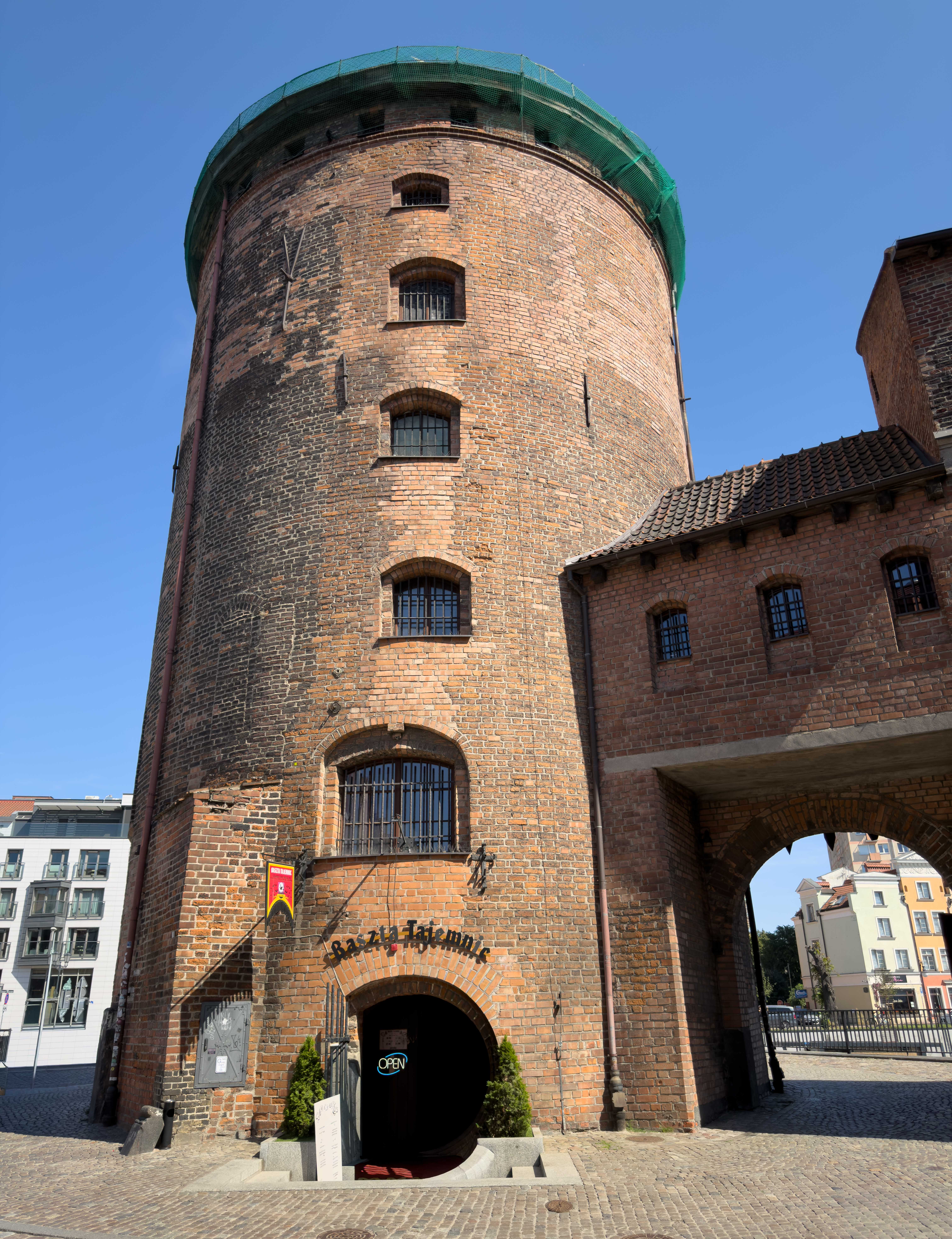


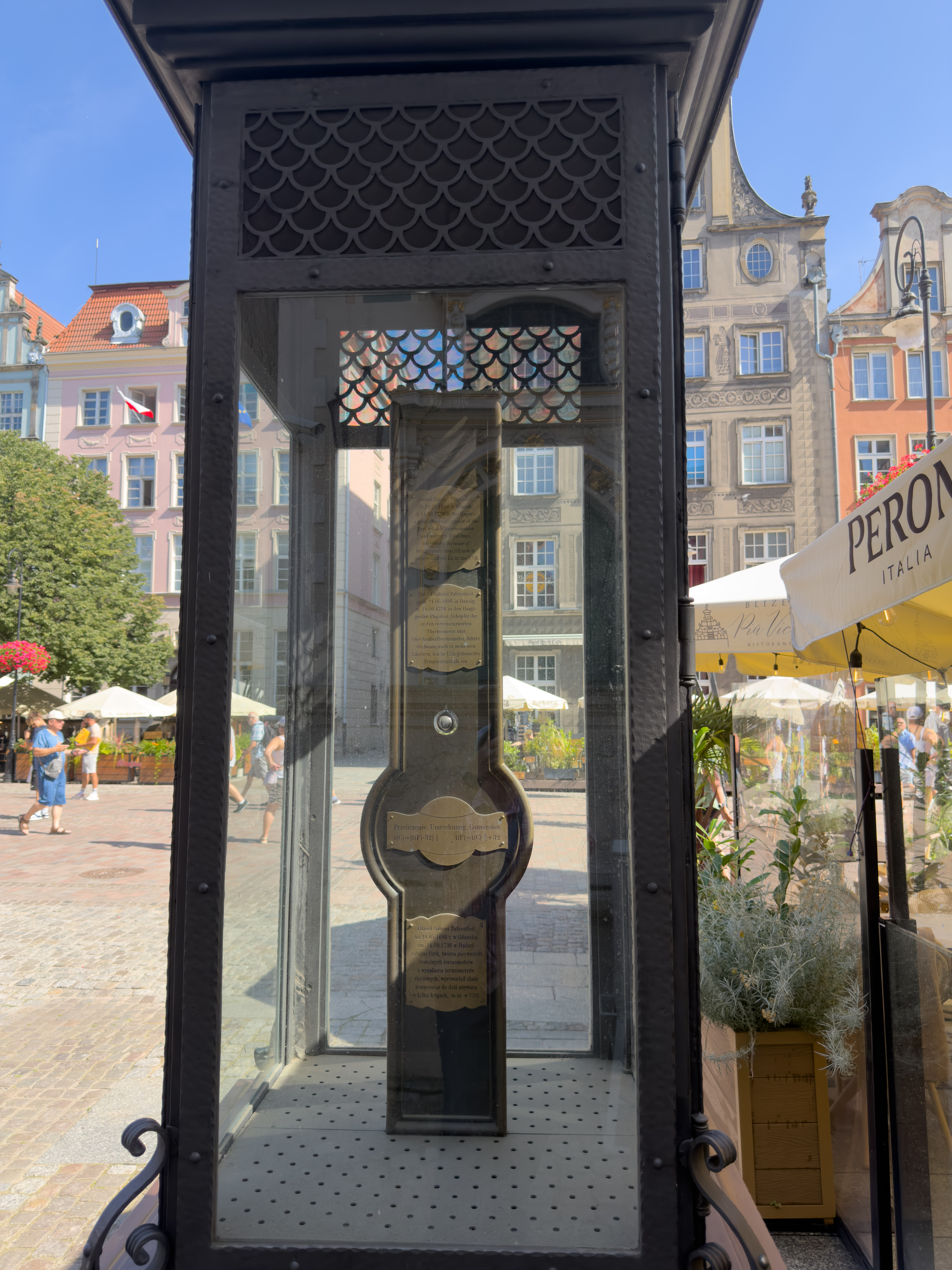
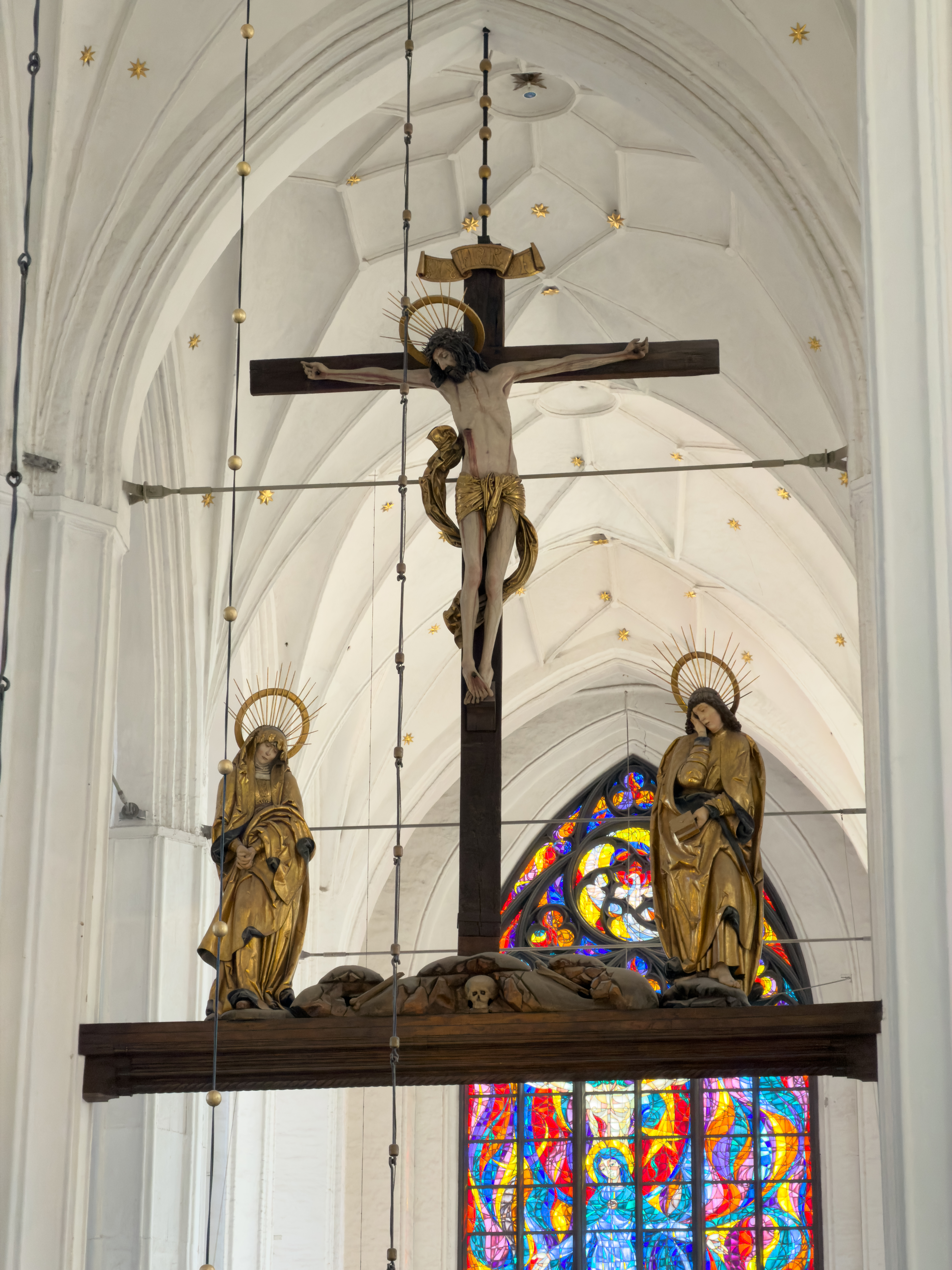


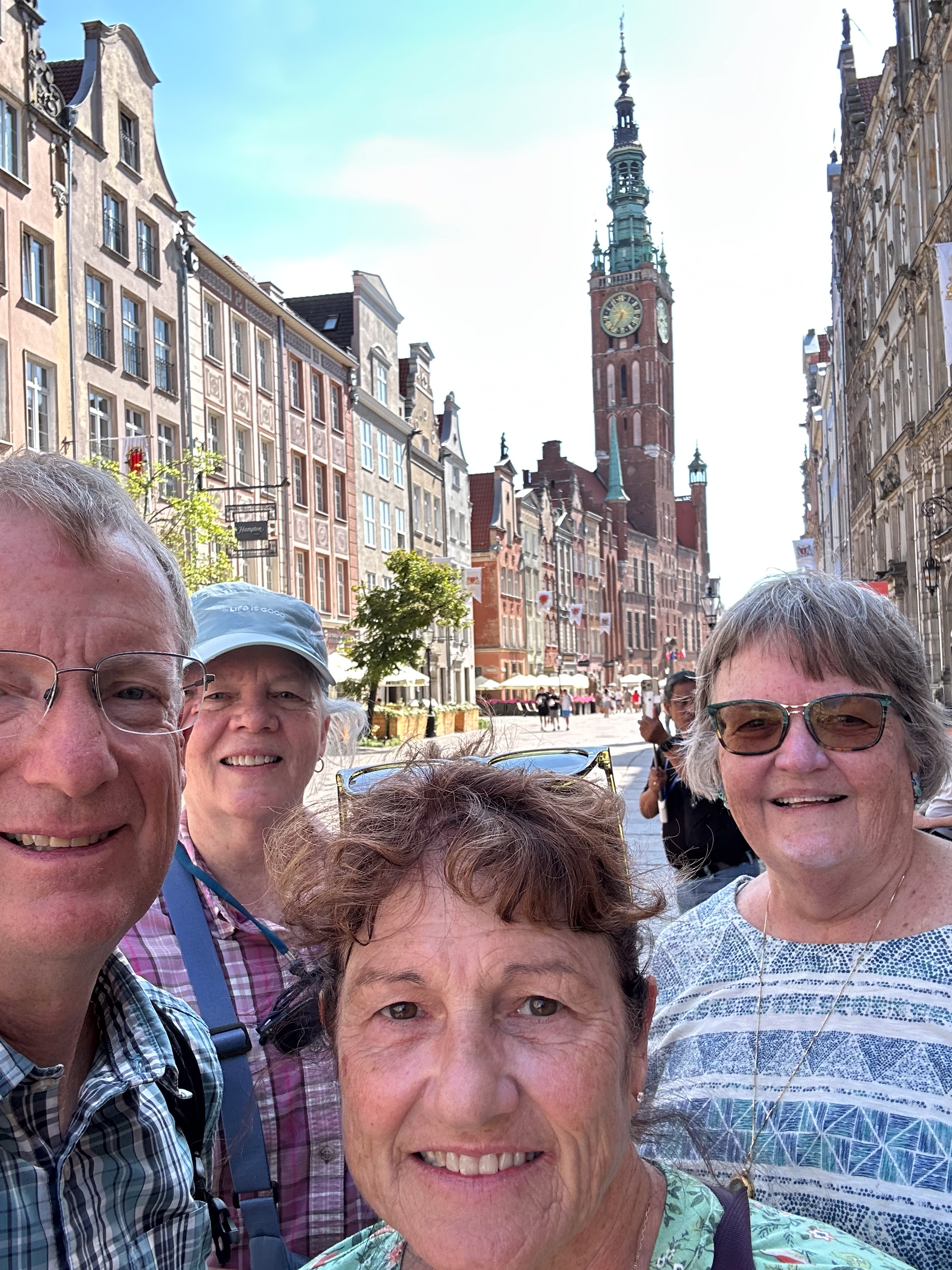

Thursday July 30th. The ship docs in Gdynia so we took an Uber to Gdańsk. We decided to try out the app GPSmyCity app, so followed it to the highlights around town then ate some lunch and Uber'd back to the ship.
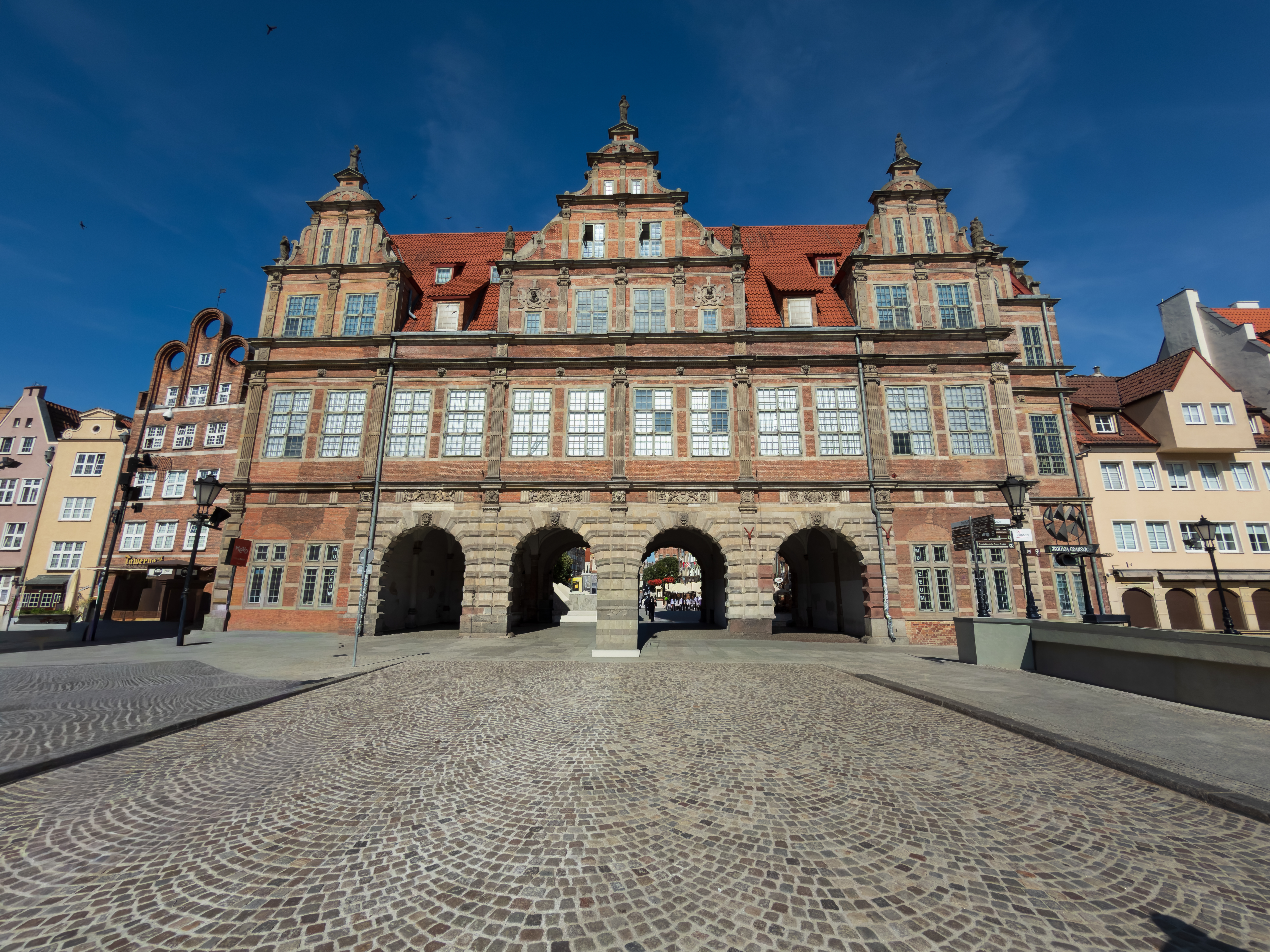
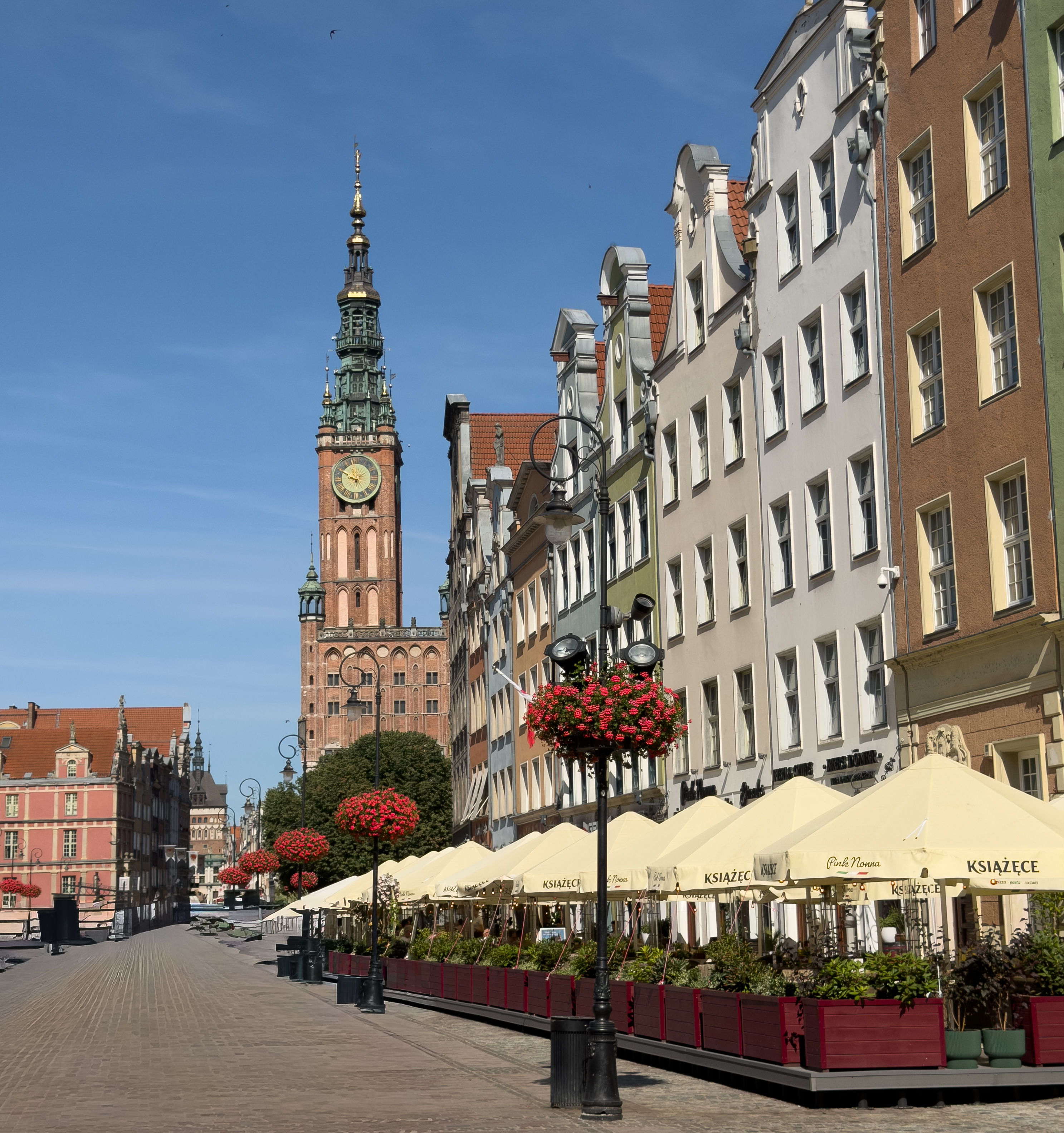
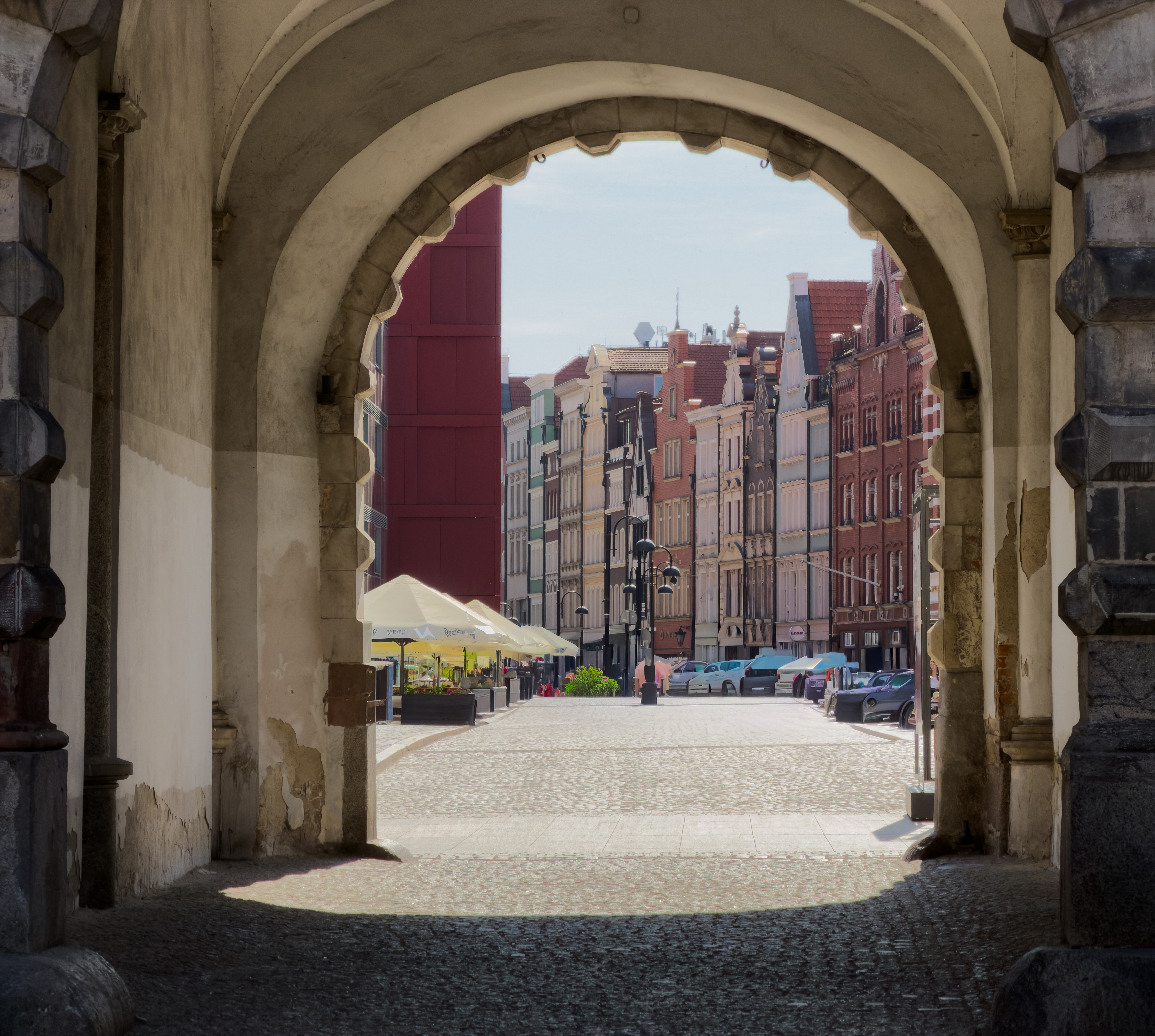
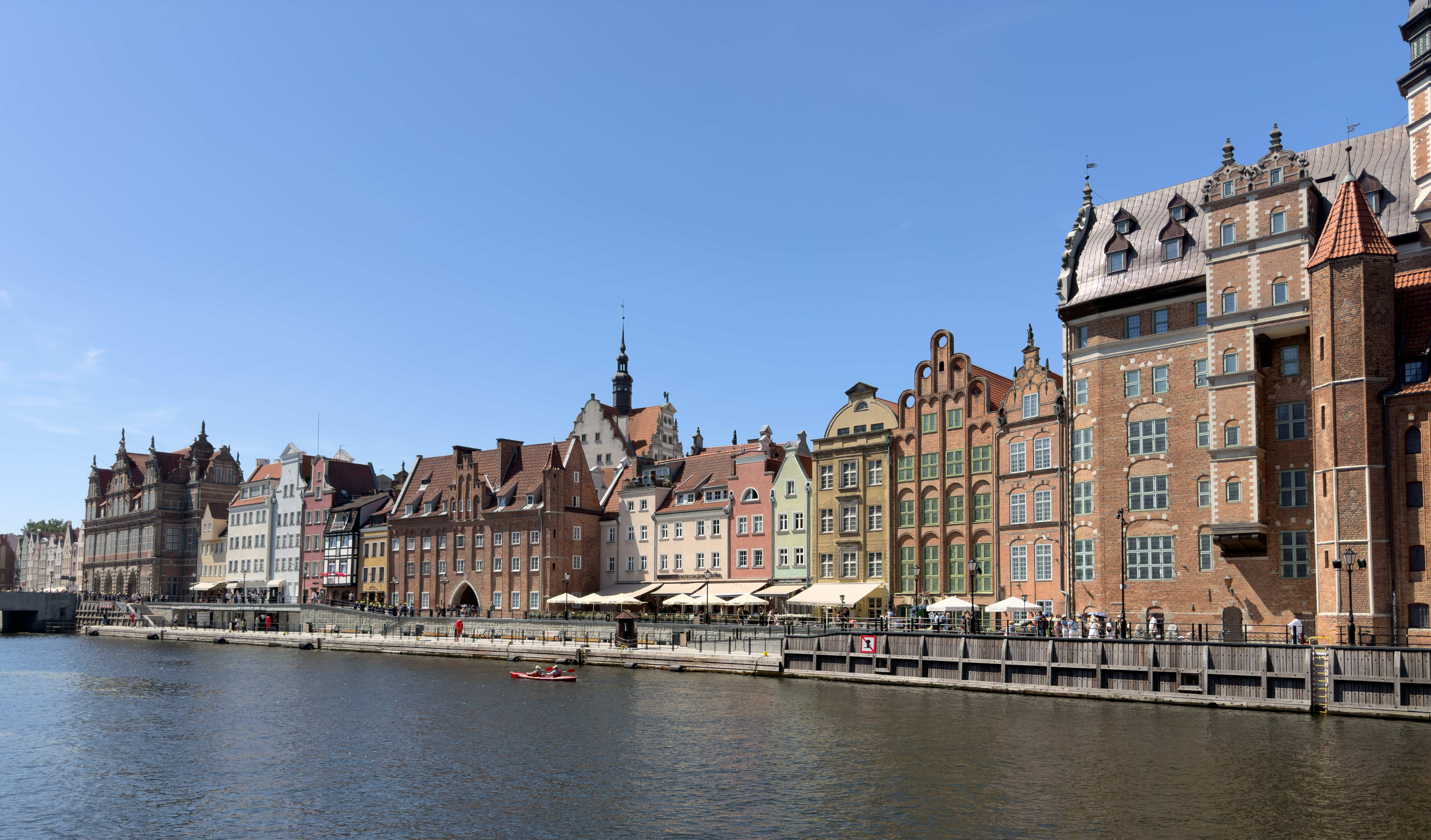
Gdańsk is a historic Baltic port city with more than 1,000 years of history. Its wealth and importance grew during the Middle Ages as a major trading center and member of the Hanseatic League, and the city reached its golden age in the 16th and early 17th centuries. Much of the historic center was destroyed during World War II but was remarkably reconstructed in its traditional style. At the heart of the old city is the Long Market, a broad, elegant street that forms part of the Royal Route. Once the setting for royal processions, celebrations, and important civic events, it is lined with beautifully restored merchant houses and landmarks such as Neptune’s Fountain and Artus Court. At the eastern end stands the Green Gate, an impressive Dutch-Mannerist building constructed in 1564–1568 as a residence for Polish kings. Although no Polish king actually lived there, the Green Gate remains one of Gdańsk’s most recognizable landmarks and marks the entrance to the Motława River waterfront.
Gdańsk
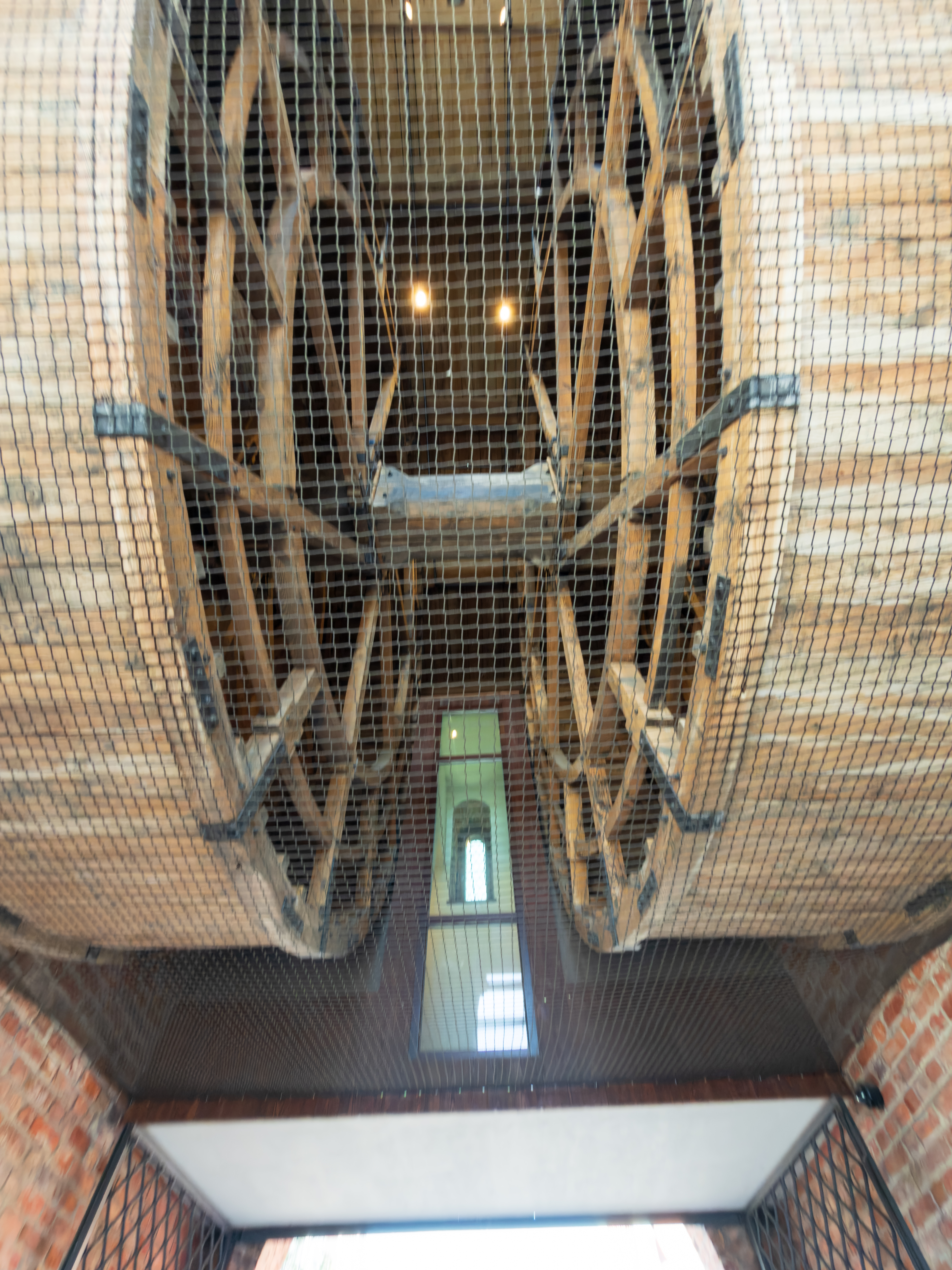
These are giant wooden treadwheels inside the Gdański Żuraw, a historic medieval port crane. Two pairs of massive wooden running wheels with sturdy spokes. Workers walked inside these giant wheels like treadmills to generate lifting power. The spinning wheels turned a central shaft and rope system to lift heavy cargo and hoist ship masts.



















After returning to the ship we met up for the Magic Show then a bite afterwards, again up in the ship's buffet. Since GPSmyCity worked well we decided to try it again the next day in Klaipėda, Lithuania.
Video of Gdańsk’s picturesque waterfront, lined with colorful historic buildings along the Motława River. It includes the distinctive Green Gate on the left and the city’s famous swing bridge. The Olowianka Footbridge is a modern pedestrian swing across the Motława River in central Gdańsk. Its movable section swings open to one side to allow boats and other vessels to pass, then closes again for pedestrians, creating an interesting contrast between Gdańsk’s historic waterfront architecture and modern engineering.